Foundation Repair · Concrete Contractor Ogden
Foundation Repair in Ogden, UT
Cracked, crumbling or settling foundation sections, repaired at the cause. Get a free estimate.
Foundation Repair across Weber, Davis and Box Elder counties
Free Repair Estimate
Put in the address, what is being built, repaired or removed, and any plans or photos. The contractor phones back to go over the job and set up a look at the site.
- Free estimates
- Residential and commercial
- Dig, pour and haul-off
- Footings below frost
An address and a short job description is enough.
Foundation Repair
Foundation Repair for Ogden, UT
Not every foundation crack needs a repair. Concrete shrinks as it cures, and thin vertical cracks that hold the same width are normal. The ones that matter run horizontal, step through block mortar, open wider than about 1/4 inch, or offset so one side sits higher than the other. Those mean the soil under or beside the wall is moving, usually because of water. Ogden has both kinds of trouble: older houses in the historic districts that were built before modern footing rules, and newer homes on fill that is still settling.
Repairs run from simple to structural. Shrinkage cracks get routed and sealed so water stays out. Crumbling, spalled or broken sections get cut back to sound concrete and replaced, with new steel doweled into the old. Footing and wall sections that have settled get rebuilt on firm, compacted ground. Every repair also deals with the water: soil sloped toward the house, a downspout dumping at the wall, a planter bed flooding one corner every spring. Fix the concrete without fixing the water and the crack comes back.
What's included
What goes into foundation repairs
- 01
Crack assessment
Measuring and mapping cracks, checking for offset and tracking whether they are still moving.
- 02
Crack routing and sealing
Opening and sealing shrinkage cracks so water stops working its way into the wall.
- 03
Cut-out and replacement
Cutting damaged concrete back to a sound edge and pouring new sections doweled into the old.
- 04
Settled footing sections
Excavating and rebuilding short runs of footing that have dropped, on firm or compacted soil.
- 05
Spalled and crumbling concrete
Removing loose, salt-eaten or frost-damaged concrete at stem walls and garage edges and rebuilding it.
- 06
Grading at the wall
Regrading soil at the repaired section so it falls away from the house, and pointing out downspouts that need extending.
Ideas
Foundation Repair: what they can look like
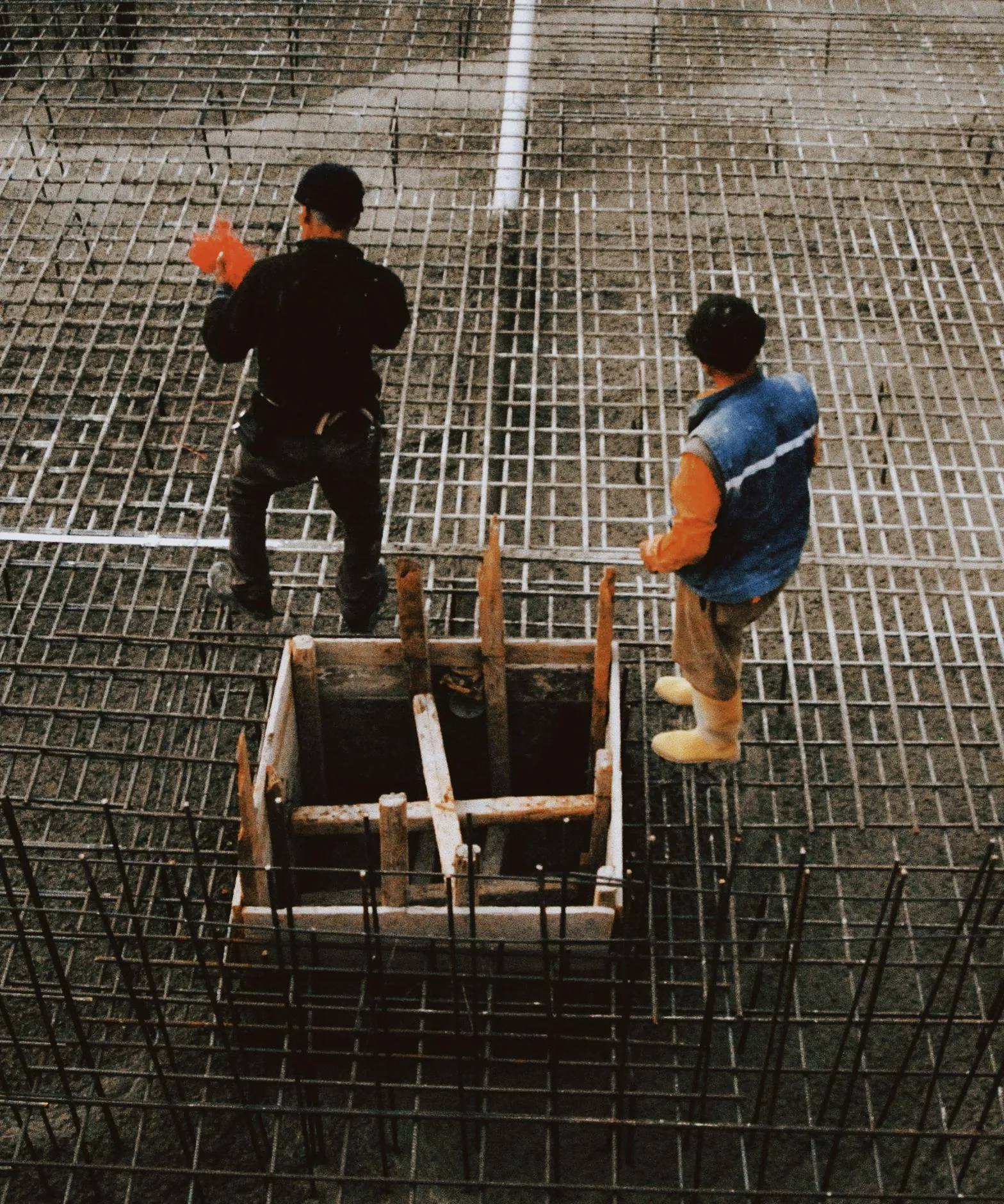
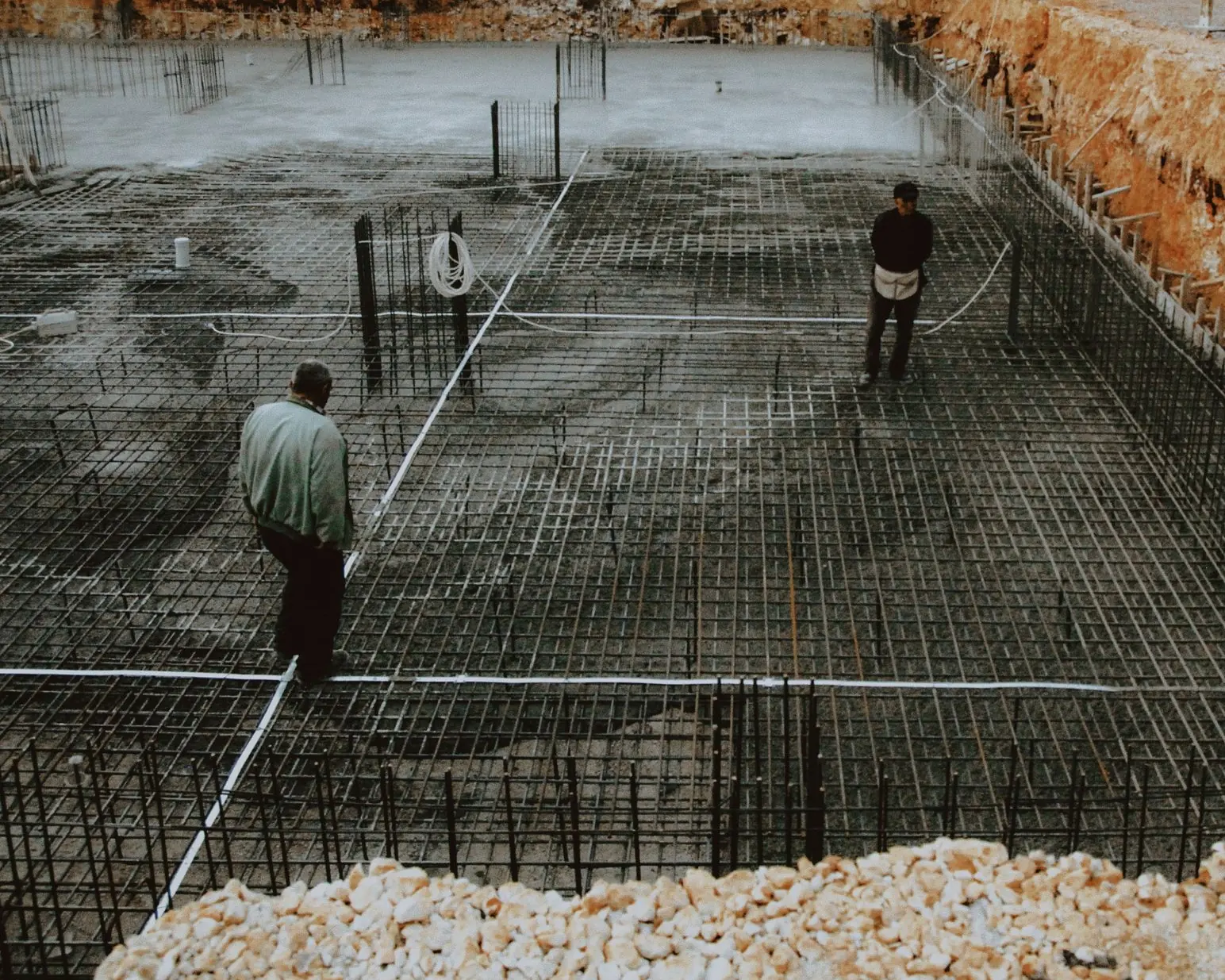
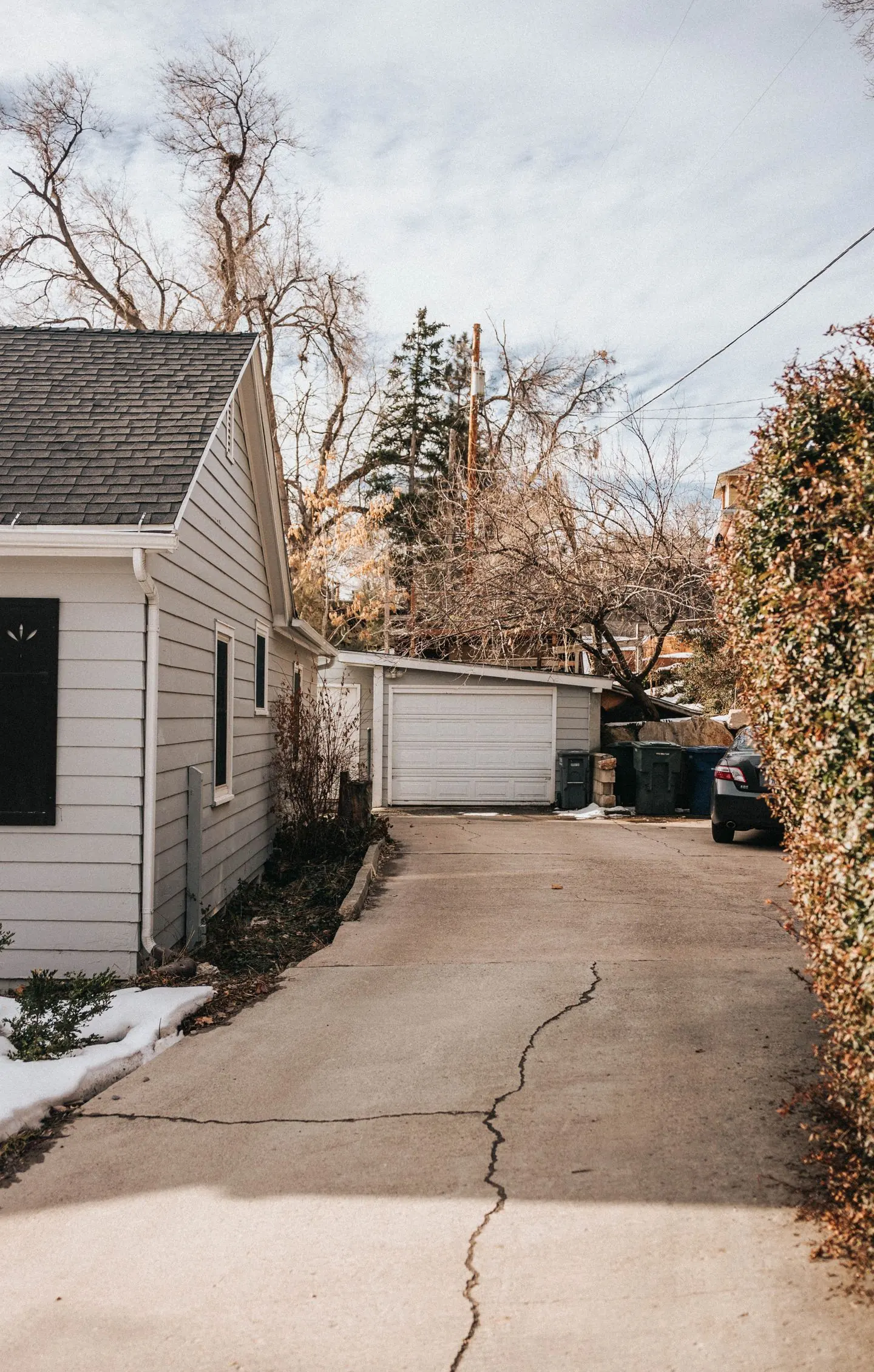
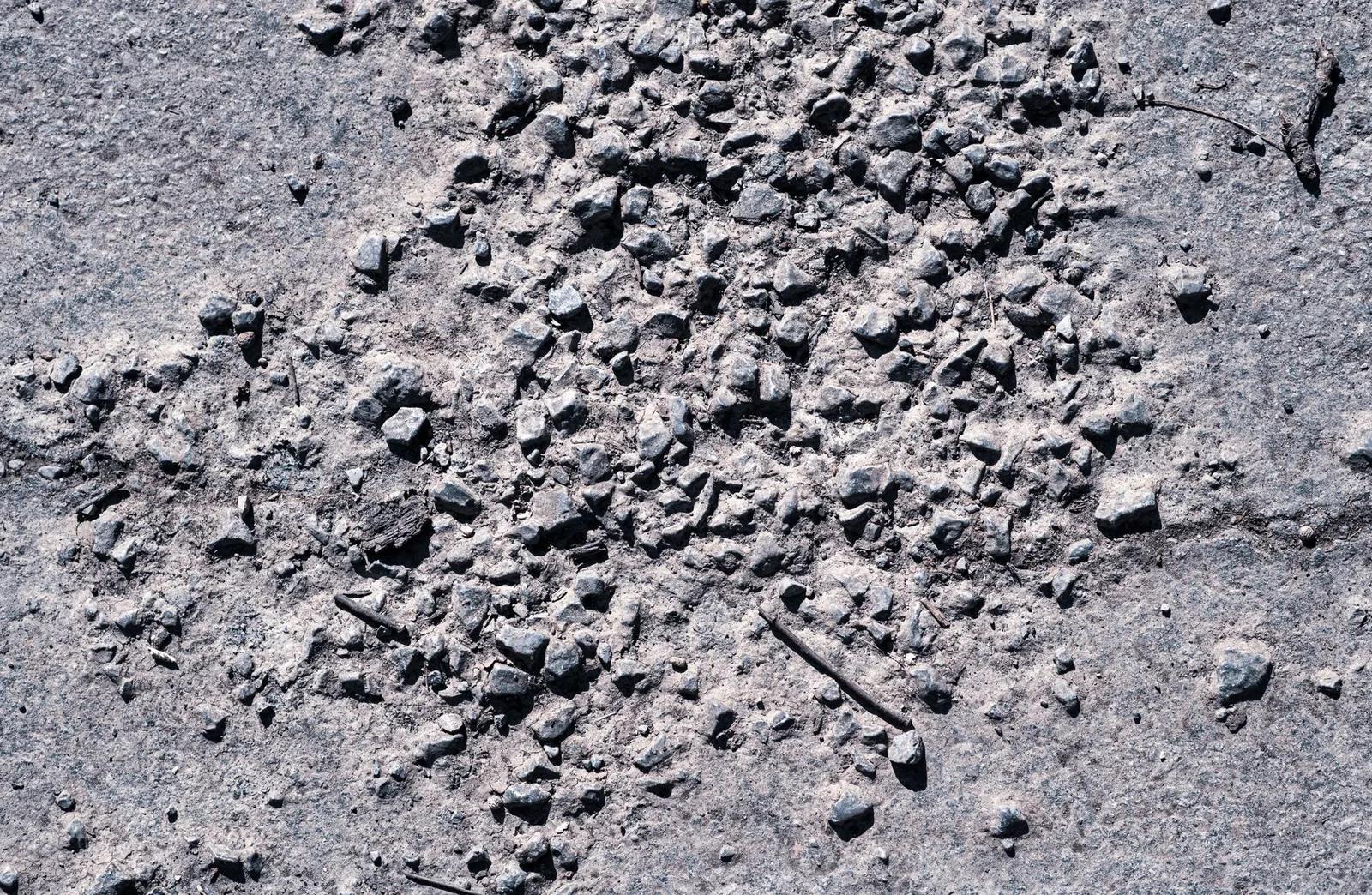
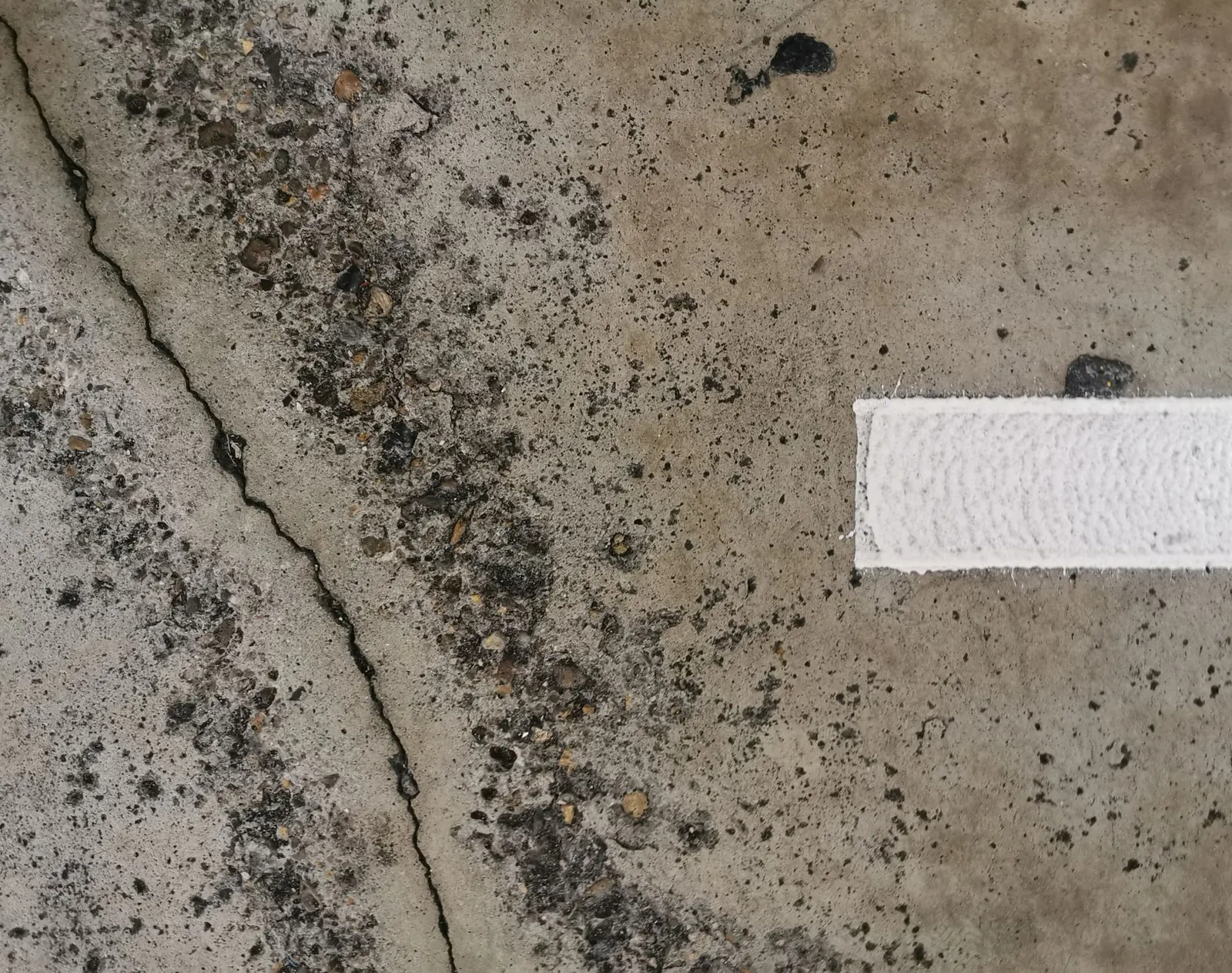
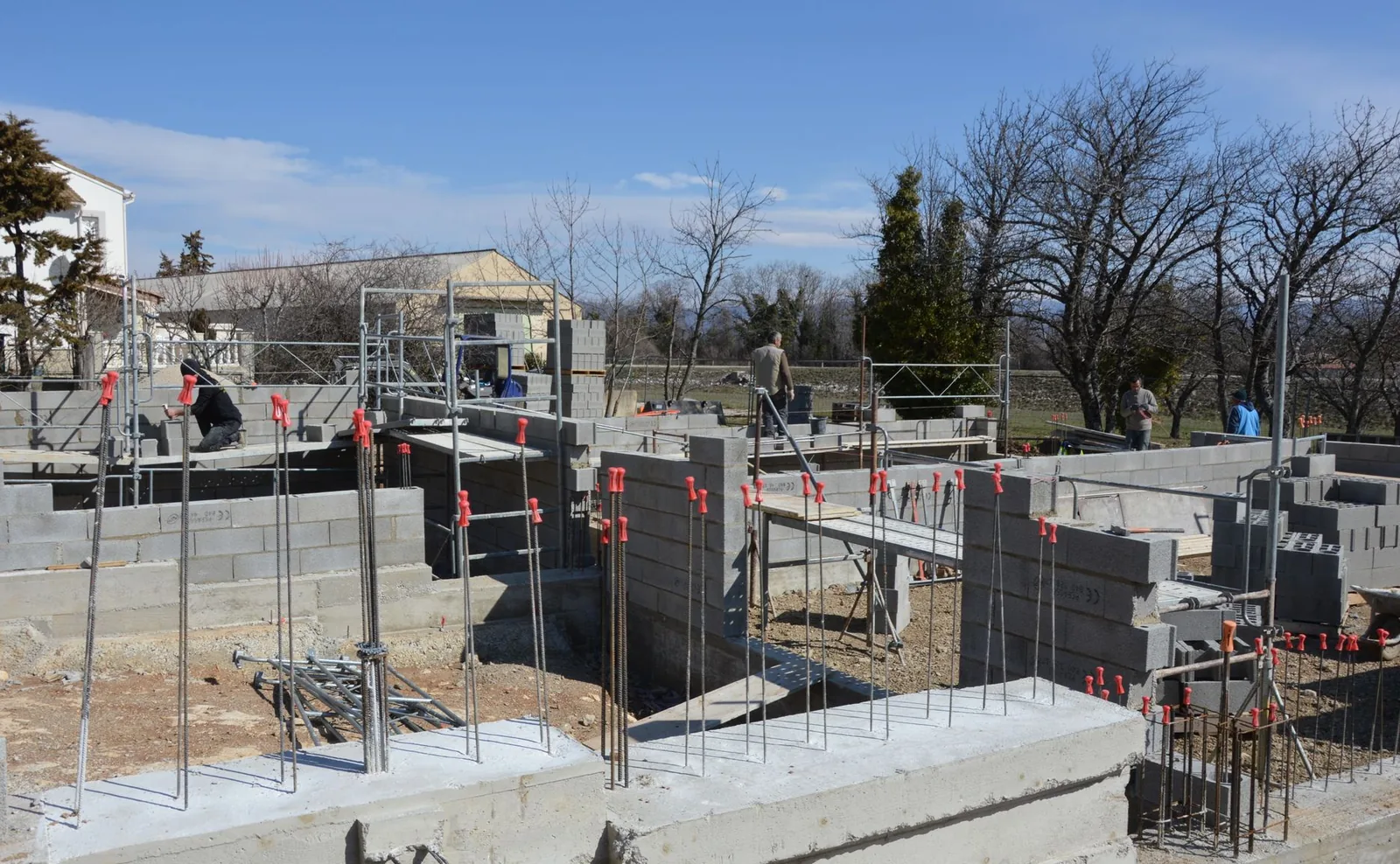
Example photos of this kind of concrete work.
How it works
How a repair job works
- 1
Look and measure
Map every crack, measure width and offset, and check the grade, gutters and downspouts outside.
- 2
Find the cause
Separate shrinkage from movement and trace the water. Bring in an engineer when movement is large or ongoing.
- 3
Repair
Seal, cut out and replace, or rebuild the section, depending on what the wall needs.
- 4
Backfill and grade
Backfill in compacted lifts and slope the soil away so water drains off instead of soaking down the wall.
Questions
Foundation Repair FAQs
Why do foundations crack in this part of Utah?
Mostly water and soil movement. Freeze-thaw works water into existing cracks every winter, wet lake-bed clay on low ground swells and shrinks with the seasons, and fill in newer subdivisions can keep settling for years. Grading and downspouts that send water toward the house make all three worse.
What drives the cost of foundation repair?
The cause and the access. Sealing a shrinkage crack is a small job; cutting out a section, or excavating to rebuild a settled footing, is a big one. Dig depth, what sits on top of the wall, finished rooms in the way, and whether an engineer's design is needed all change the estimate.
Does foundation repair need a permit or an engineer?
Sealing cracks usually does not. Structural work, like replacing wall sections or rebuilding footings, often needs a building permit and sometimes an engineer's letter or design, and the building department makes that call. Before any dig, 811 marks the utilities and anything stored against the wall gets moved.
Which foundation cracks should I worry about?
Horizontal cracks, stair-step cracks in block, cracks wider than about 1/4 inch, and cracks where one side sits higher than the other. Also any crack that keeps growing. Pencil a mark and the date at each end, check it monthly, and call if it runs past the marks.
Will sealing a crack fix the problem?
Only if the crack is shrinkage and has stopped moving. Sealing keeps water out, but it does nothing for soil that is still settling or swelling. If a sealed crack reopens, the soil or the water is the real problem and the repair has to go deeper.
Related work
You might also be planning

Foundations & Footings
Footings below the frost line, poured foundation and stem walls, and slabs for new garages, shops and home additions.
More on Foundations & Footings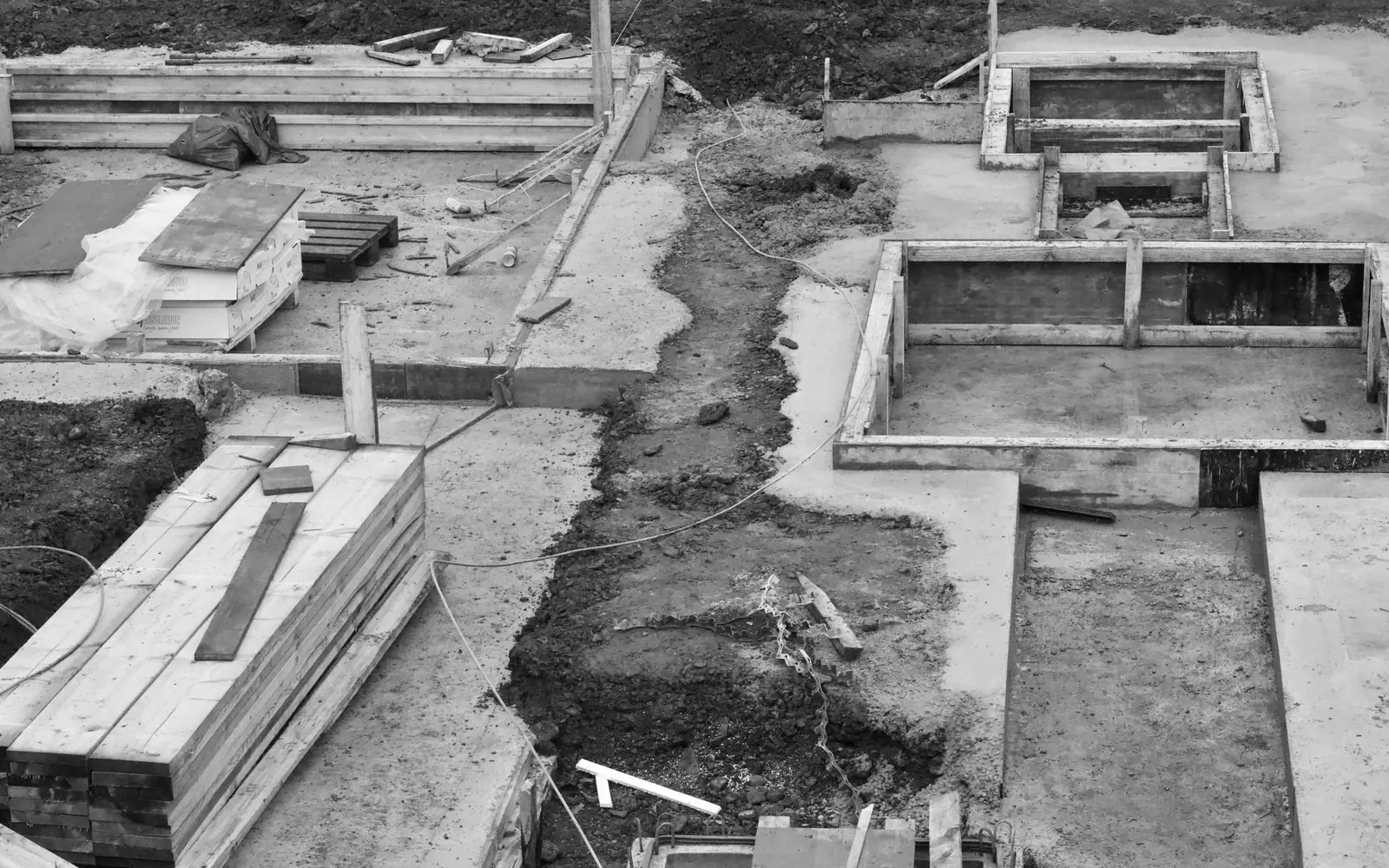
Excavation & Site Prep
Digging for footings, slabs and walls, grading for drainage, compacted gravel base and haul-off of the spoils.
More on Excavation & Site Prep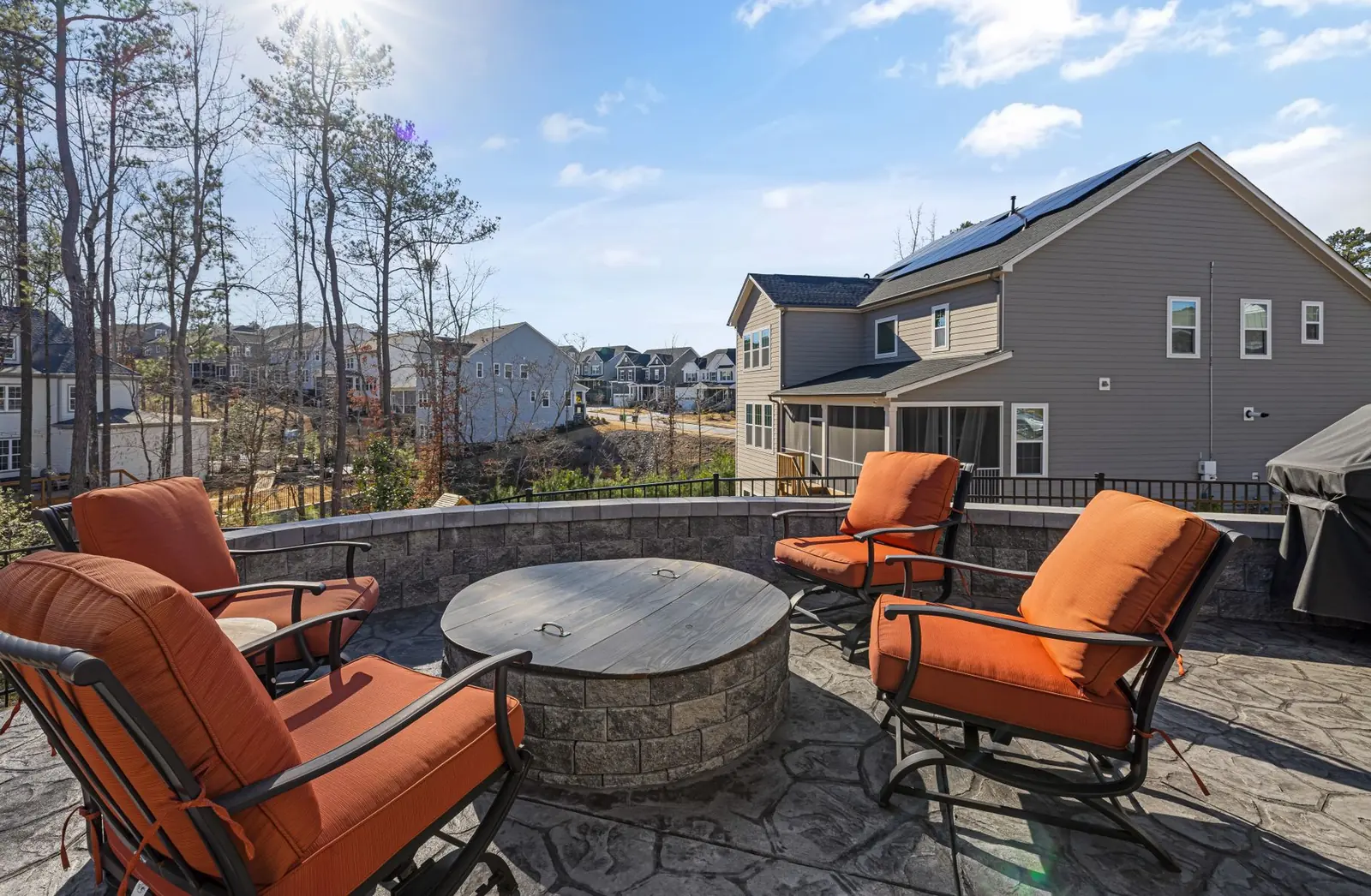
Retaining Walls
Block and poured concrete retaining walls on a compacted base, with drainage stone and pipe behind, sized for the slope they hold.
More on Retaining Walls
Where we work
Foundation Repair in these towns
We take foundation repair jobs in Ogden and every town listed below.
Weber County
Davis County
Box Elder County
Morgan County
Ready to price your repair?
Put in the address, what is being built, repaired or removed, and any plans or photos. The contractor phones back to go over the job and set up a look at the site.