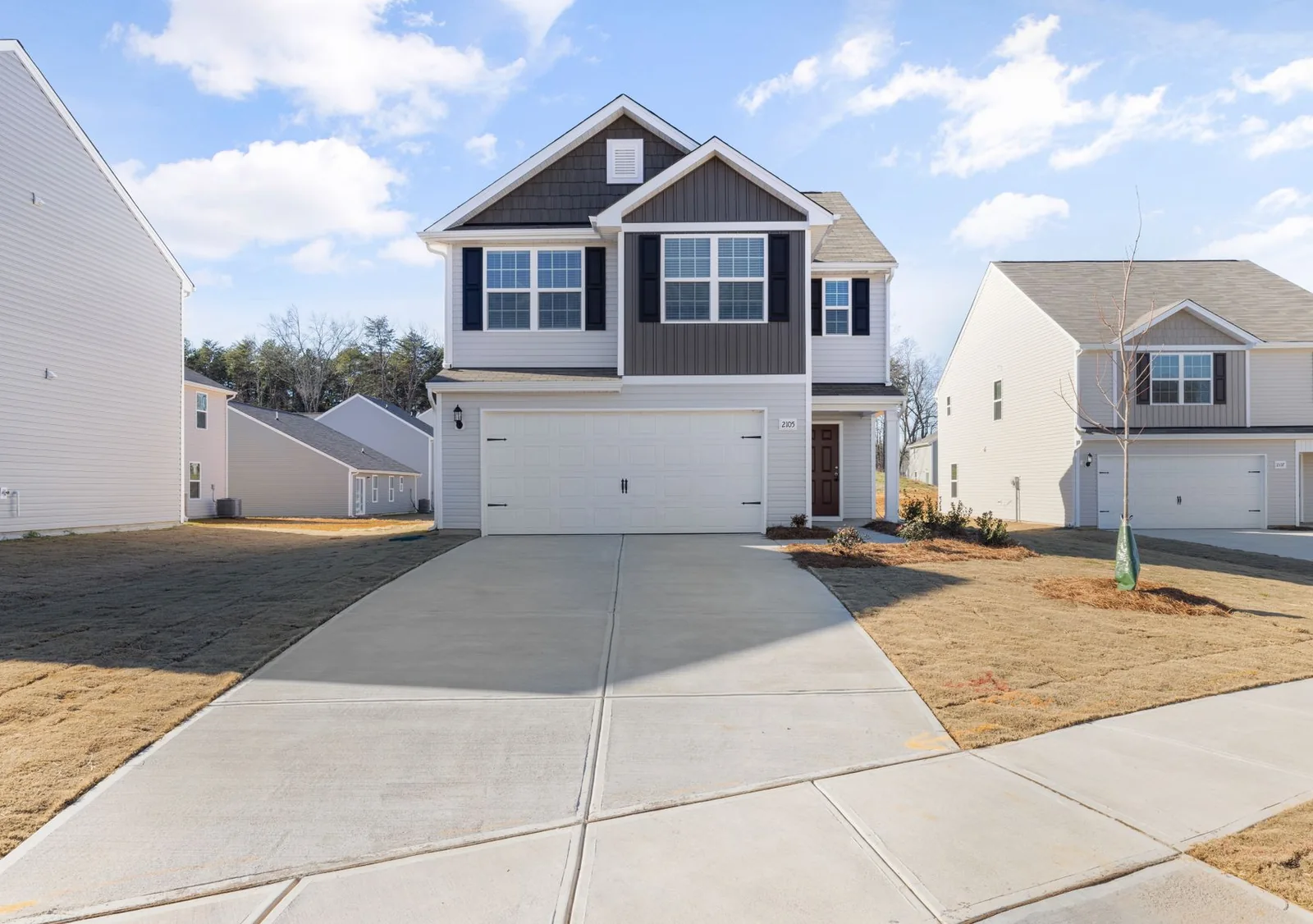
Driveways · Concrete Contractor Ogden
Concrete Driveway Contractor in Ogden, UT
Old driveway out, base rebuilt, new slab poured for Weber County winters. Get a free driveway estimate.
Driveways & Driveway Replacement across Weber, Davis and Box Elder counties
Free Driveway Estimate
Put in the address, what is being built, repaired or removed, and any plans or photos. The contractor phones back to go over the job and set up a look at the site.
- Free estimates
- Residential and commercial
- Dig, pour and haul-off
- Footings below frost
An address and a short job description is enough.
Driveways & Driveway Replacement
Concrete Driveway Contractor for Ogden, UT
A driveway that has heaved, dropped at the edges or broken into plates is usually past patching, because the problem is under it. The usual causes around Ogden: a thin slab on a thin base, clay subgrade that stays wet, no control joints, downspouts emptying onto the concrete, and years of salt and brine dripping off cars. A patch leaves every one of those in place. Replacement takes them out. If the slab is still flat and solid but flaking on top, resurfacing or sealing may be enough, and the estimate will say so.
Replacement here means the whole job. The old driveway is sawcut at the garage, the walk and the approach so the concrete that stays has a straight, clean edge. It is broken out and hauled away, soft subgrade is dug out, and 4 to 6 inches of gravel base goes back in, compacted. Car driveways typically run 4 inches thick; RV pads, trailer parking and work trucks typically get 5 to 6 inches with thickened edges. Steel goes in on chairs, joints follow a layout, and the mix is air-entrained to handle freeze-thaw.
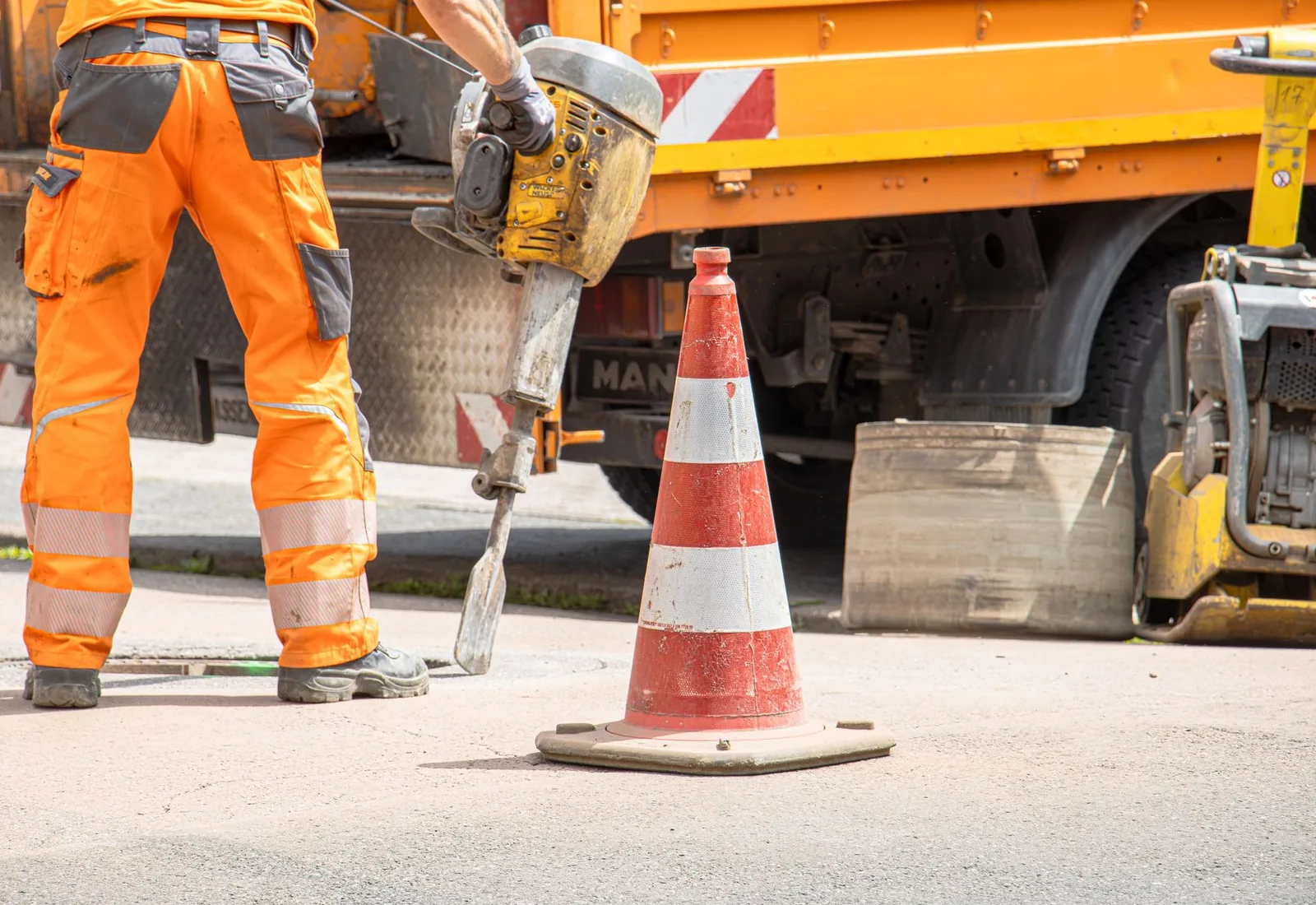
What's included
What goes into driveway tear-outs and replacements
- 01
Sawcut and tear-out
Straight saw lines where the new driveway meets the garage, walk and approach, then full removal and haul-off of the old slab.
- 02
Subgrade repair
Soft, wet or organic soil under the old driveway gets dug out and replaced, not covered over.
- 03
Compacted gravel base
Typically 4 to 6 inches of gravel, compacted in lifts and graded so water runs off toward the street instead of the garage.
- 04
Thickness for the load
Typically 4 inches for cars, and 5 to 6 inches with thickened edges where RVs, trailers or work trucks park.
- 05
Steel and control joints
Rebar or welded wire mesh held up on chairs, with joints cut about a quarter of the slab depth on a set spacing so cracks land on the lines.
- 06
Approaches and widening
Approach and curb cut work under the city's right-of-way permit, plus widening for a third car or a side RV pad.
Ideas
Driveways & Driveway Replacement: what they can look like
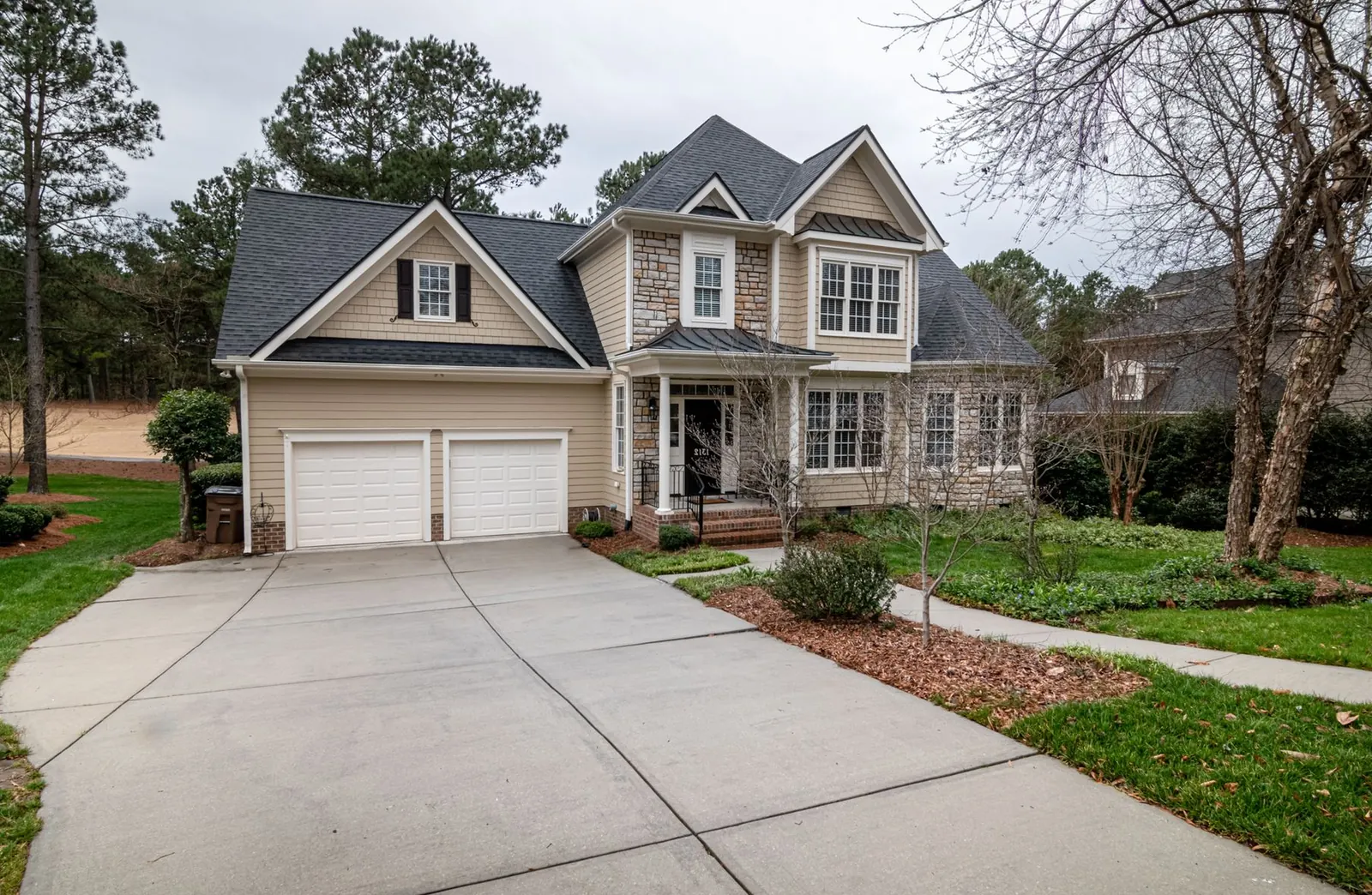
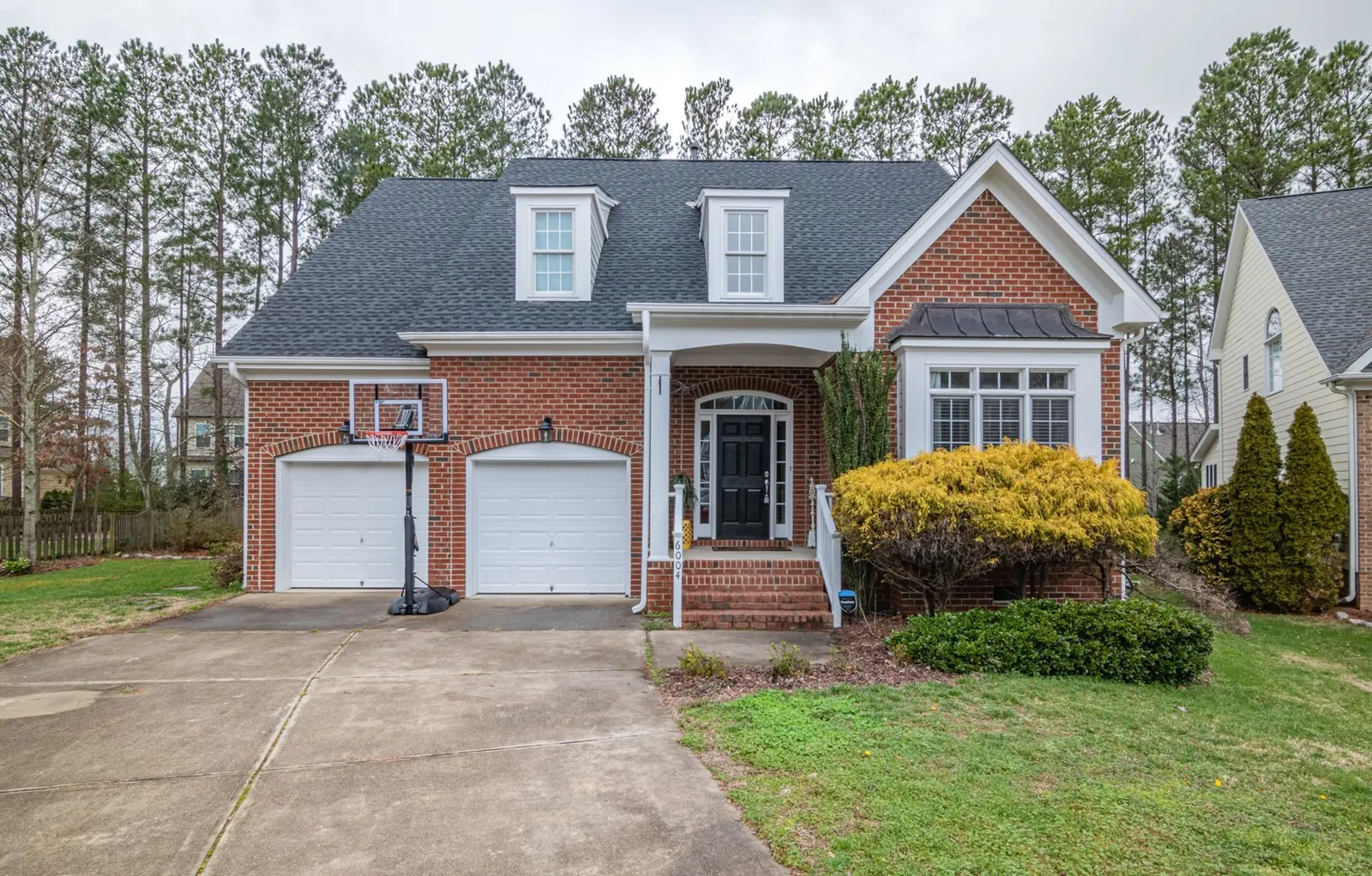
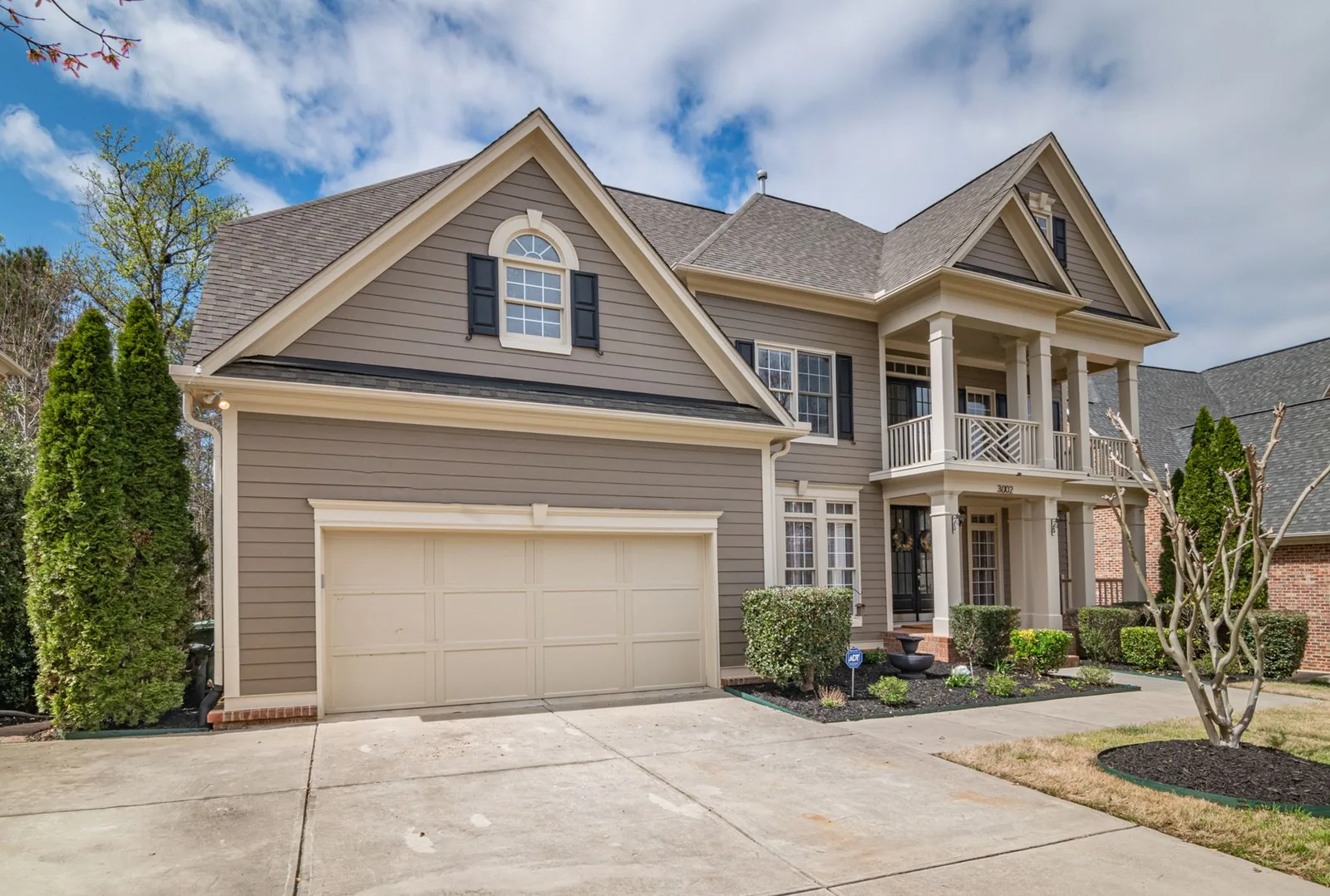
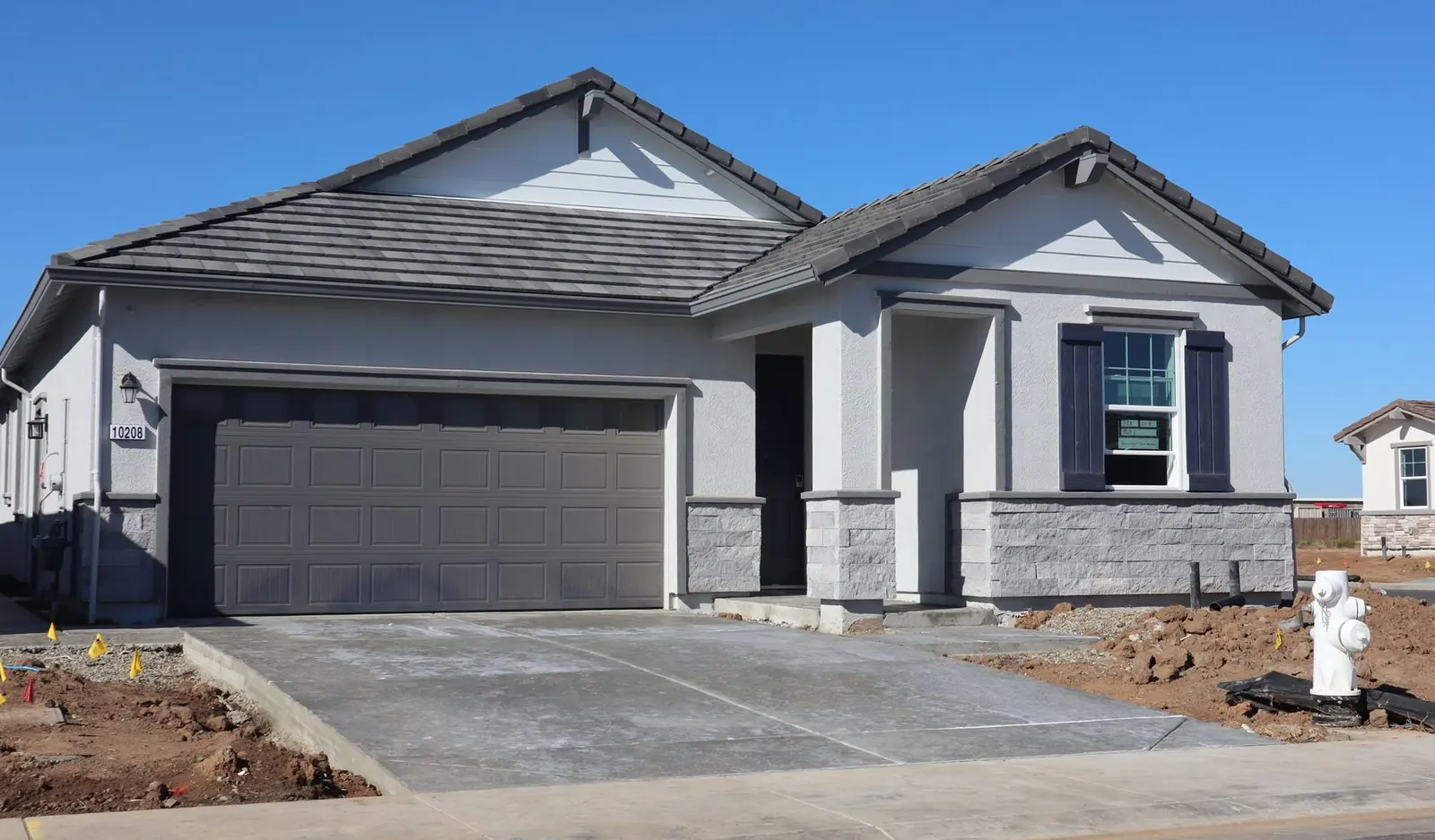
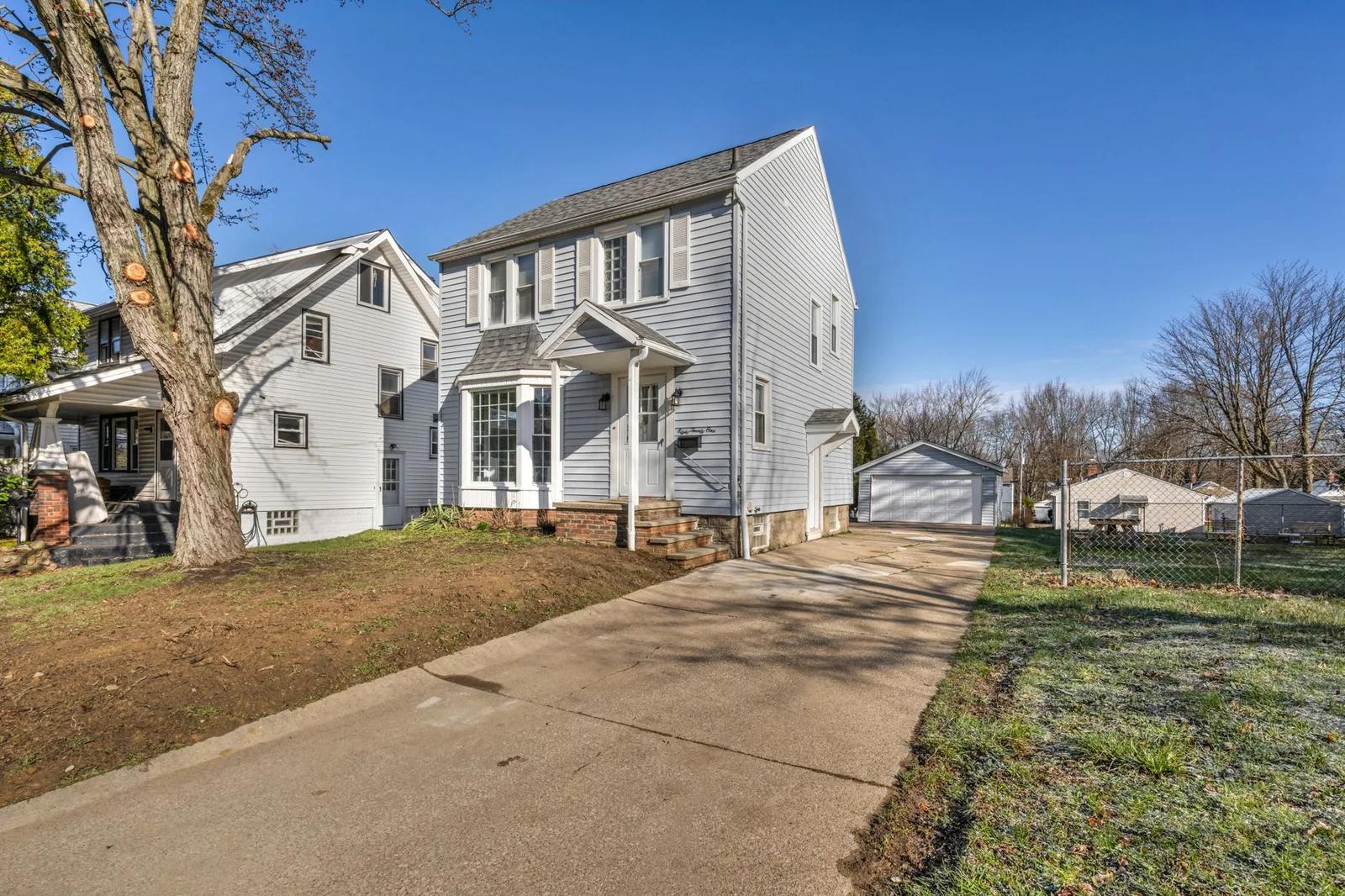
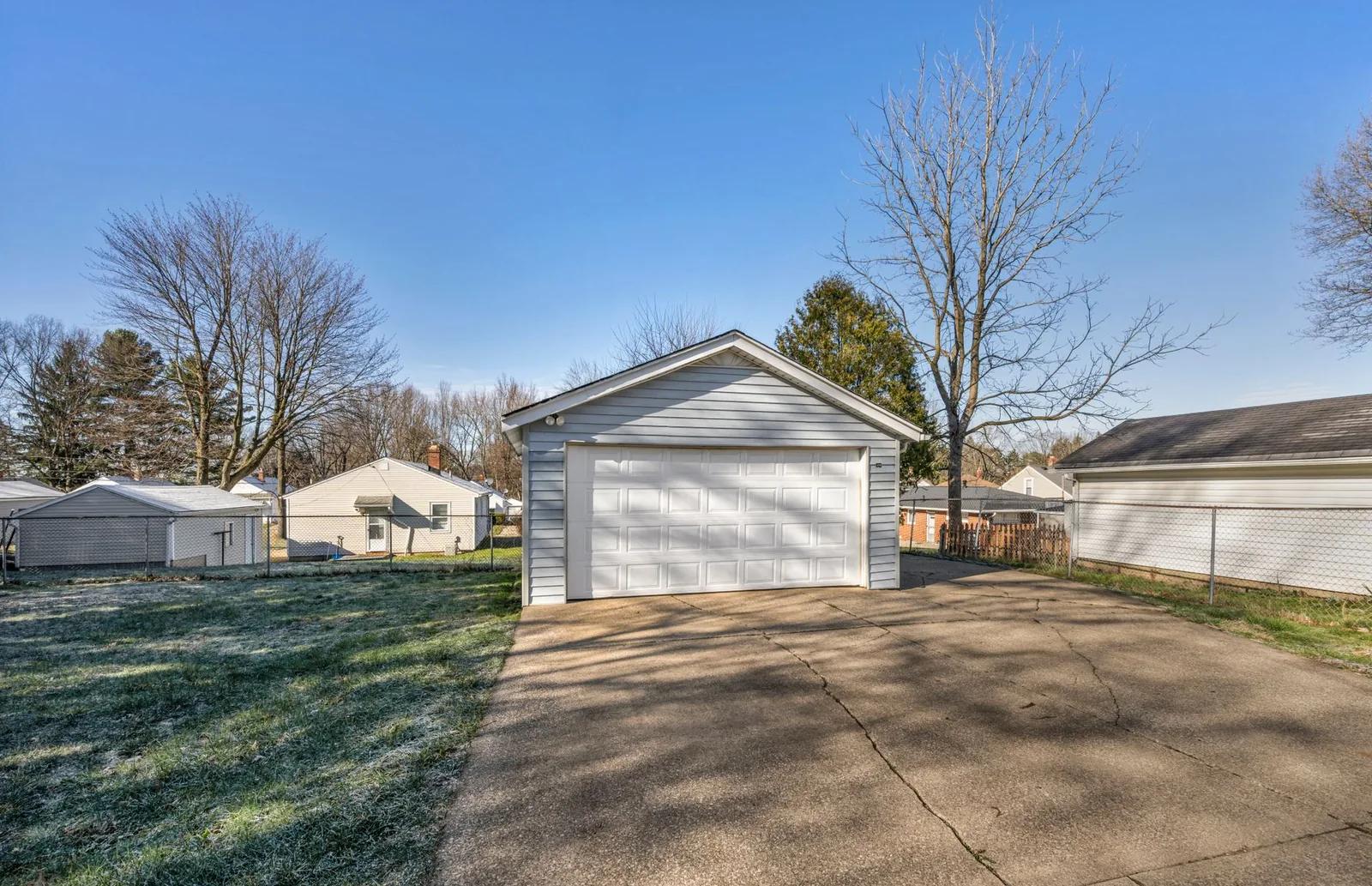
Example photos of this kind of concrete work.
How it works
How a driveway job works
- 1
Measure and mark
Measure the driveway, check fall toward the garage and street, and mark the saw lines and utilities.
- 2
Cut, break, haul
Sawcut the edges, break out the old slab, load it and haul it off.
- 3
Base and forms
Repair the subgrade, compact the gravel base, set forms to grade and place the steel.
- 4
Pour, joint, cure
Pour air-entrained concrete, finish it, cut the joints and keep it curing. Cars stay off for about a week.
Questions
Driveways & Driveway Replacement FAQs
Why does my driveway flake and crack after a few winters here?
Freeze-thaw and salt. Water soaks into the surface, freezes and pops off thin flakes, and salt dripping off cars speeds that up. Cracks running across the slab usually mean the base moved or the joints were spaced too far apart. A replacement uses air-entrained concrete, tighter joint spacing and a penetrating sealer, and stays salt-free its first winter.
What drives the price of a driveway replacement?
Size, thickness and what has to come out. Tear-out and haul-off of the old slab, how much bad subgrade gets replaced, base depth, steel, a thicker section for an RV or truck, approach work in the right-of-way and how easily equipment can reach the driveway all move the number. The estimate breaks those out after a look at the site.
Do I need a permit to replace a driveway?
For the approach and any curb cut in the public right-of-way, yes, a city permit, and work along a state road like US-89 can need a UDOT permit as well. The city's engineering department sets the rules for the rest. HOAs often want to sign off on color and finish, and the driveway needs to be empty of cars and stored items on tear-out day.
Can new concrete go right over the old driveway?
Not on a driveway that has heaved or sunk. An overlay keeps the bad base, lets the old cracks telegraph through, and raises the surface at the garage door and the walk. Tearing it out costs more on day one but removes the reason it failed.
When can I drive on a new driveway?
Foot traffic is fine at 24 to 48 hours and cars at roughly seven days. Keep RVs, trailers and loaded trucks off longer, since concrete reaches full design strength around 28 days. In July heat, keeping the slab damp and cured matters as much as the wait.
Related work
You might also be planning
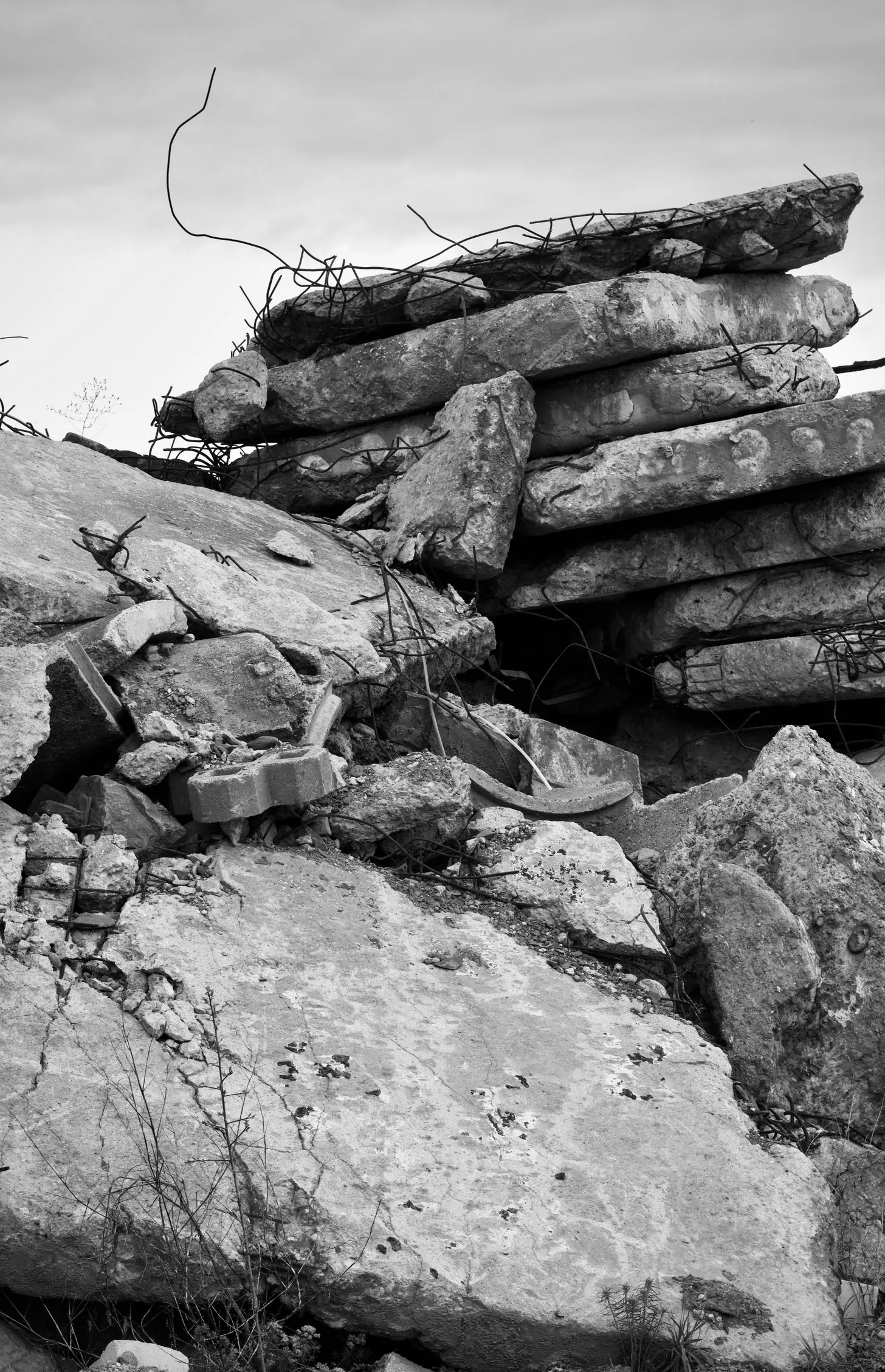
Concrete Removal & Demolition
Sawcutting a clean line, breaking out old driveways, patios, steps, walls and footings, and hauling every piece away.
More on Concrete Removal & Demolition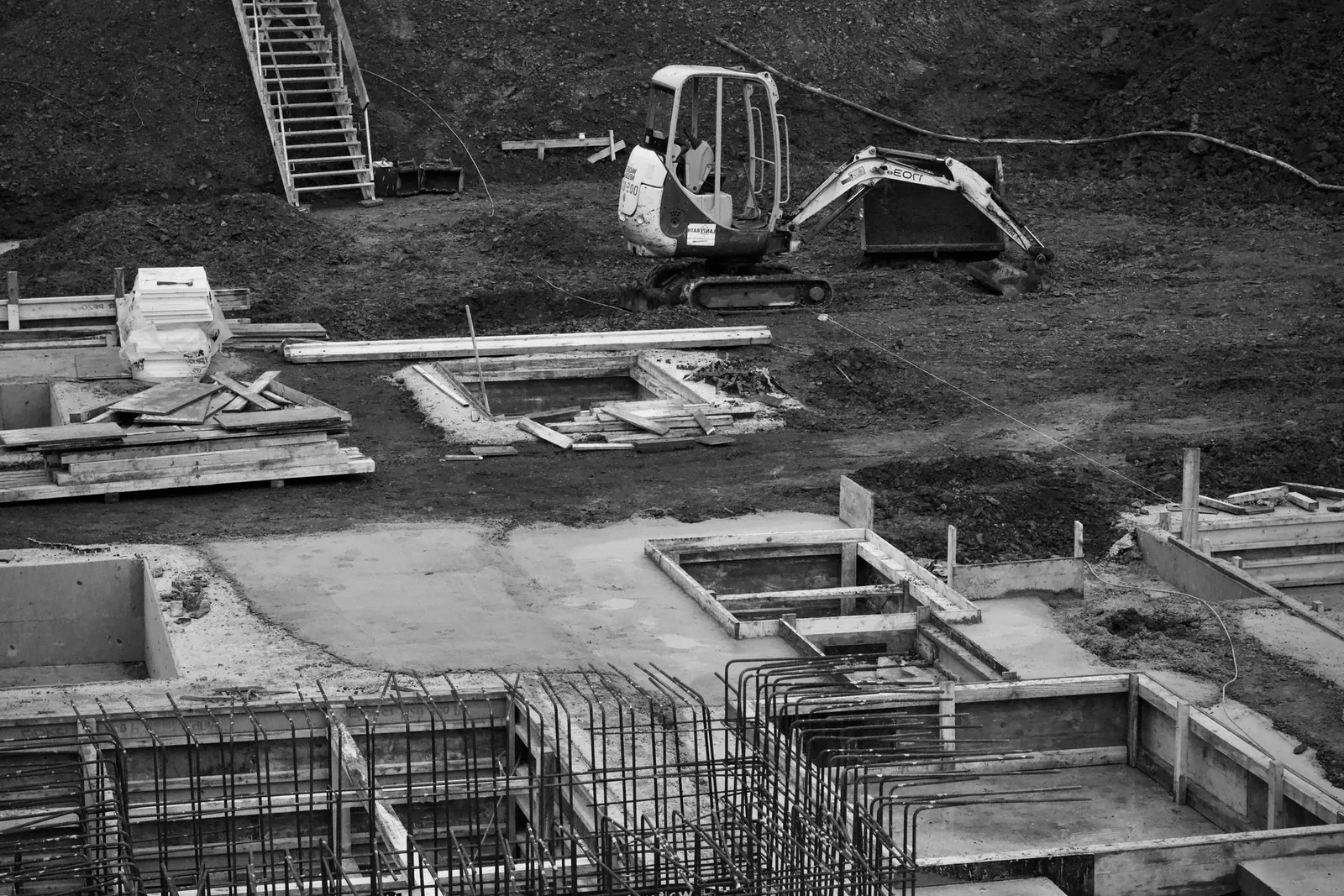
Excavation & Site Prep
Digging for footings, slabs and walls, grading for drainage, compacted gravel base and haul-off of the spoils.
More on Excavation & Site Prep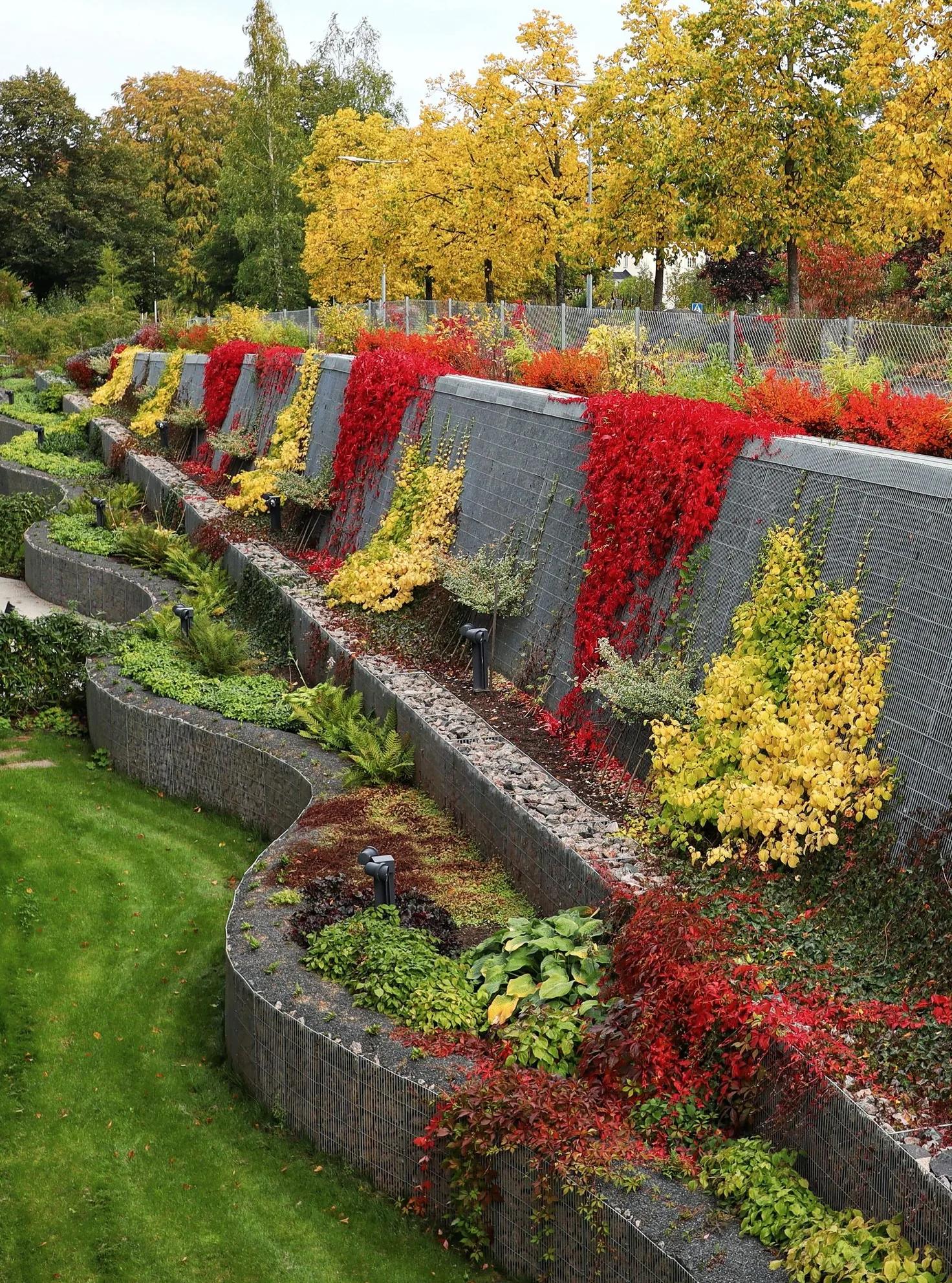
Retaining Walls
Block and poured concrete retaining walls on a compacted base, with drainage stone and pipe behind, sized for the slope they hold.
More on Retaining Walls
Where we work
Driveways & Driveway Replacement in these towns
We take driveways & driveway replacement jobs in Ogden and every town listed below.
Weber County
Davis County
Box Elder County
Morgan County
Ready to price your driveway?
Put in the address, what is being built, repaired or removed, and any plans or photos. The contractor phones back to go over the job and set up a look at the site.