Foundations, walls, dirt work, tear-outs
Concrete Contractor in Ogden, UT
Footings, foundation repair, retaining walls, excavation and demolition in Weber County. Get a free estimate.
Serving Ogden, all of Weber County and nearby Davis, Morgan and Box Elder towns
Free Estimate on Heavy Concrete Work
Put in the address, what is being built, repaired or removed, and any plans or photos. The contractor phones back to go over the job and set up a look at the site.
- Free estimates
- Residential and commercial
- Dig, pour and haul-off
- Footings below frost
An address and a short job description is enough.
Below grade and structural
Heavy concrete work, from the dig to the haul-off
Six kinds of jobs, and every one starts below grade with an excavator, a compactor, a breaker or a stack of rebar.
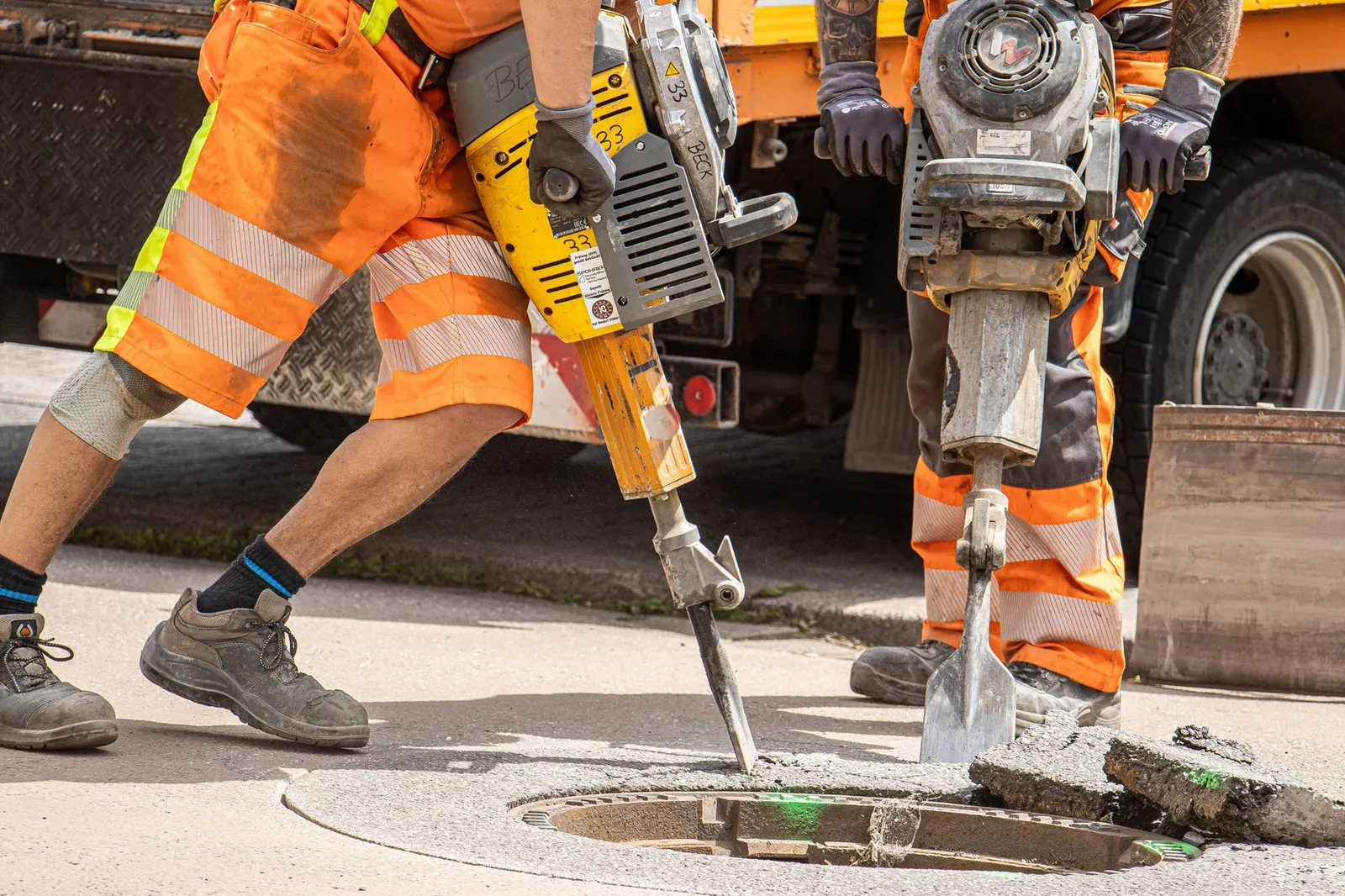
Driveways & Driveway Replacement
Full tear-out and replacement: old slab broken out and hauled, base rebuilt, and a new driveway poured for the loads it carries.
More on Driveways & Driveway Replacement
Foundations & Footings
Footings below the frost line, poured foundation and stem walls, and slabs for new garages, shops and home additions.
More on Foundations & Footings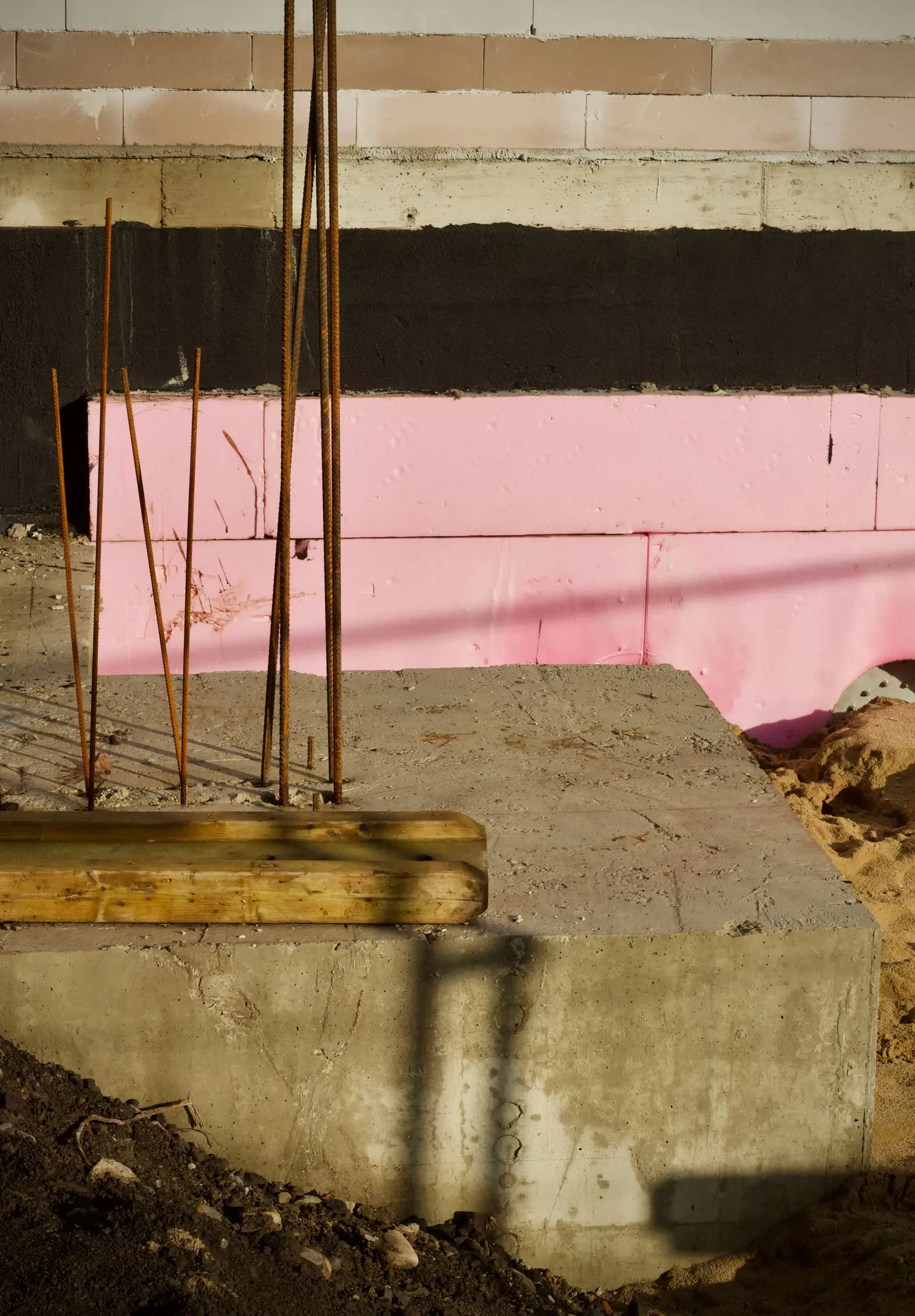
Foundation Repair
Crack repair, cut-out and replacement of damaged or settling sections, and the water problems behind them.
More on Foundation Repair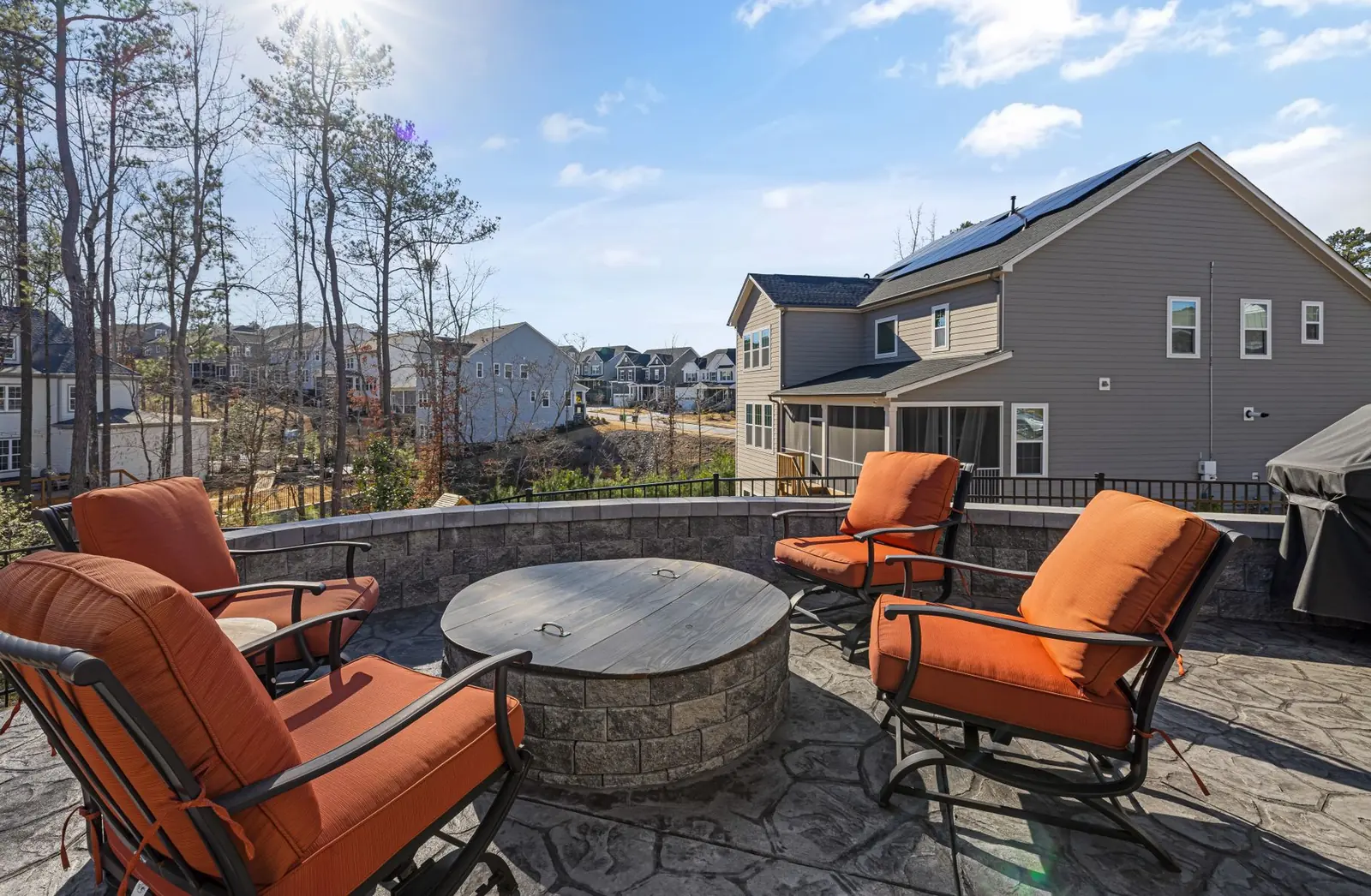
Retaining Walls
Block and poured concrete retaining walls on a compacted base, with drainage stone and pipe behind, sized for the slope they hold.
More on Retaining Walls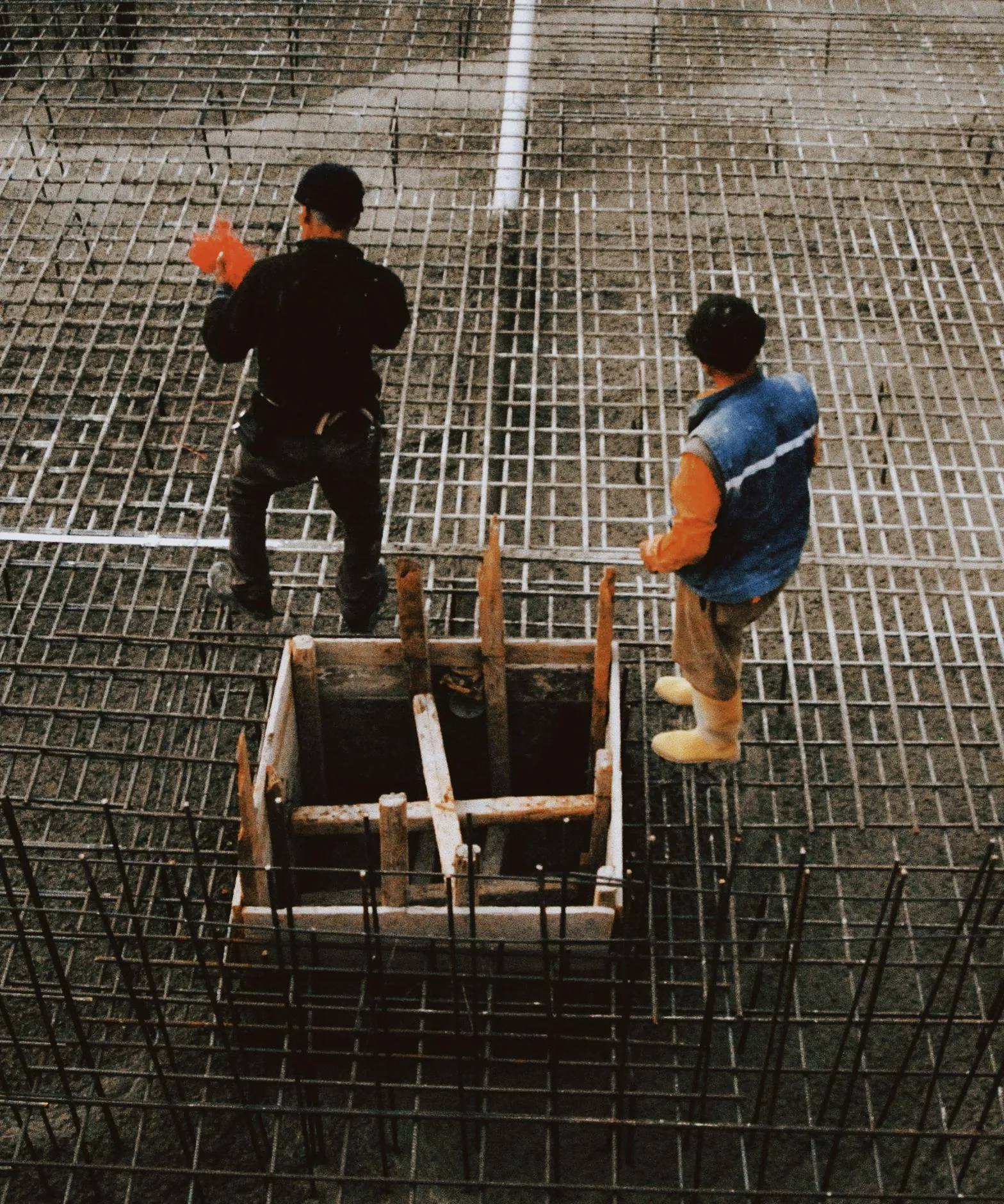
Excavation & Site Prep
Digging for footings, slabs and walls, grading for drainage, compacted gravel base and haul-off of the spoils.
More on Excavation & Site Prep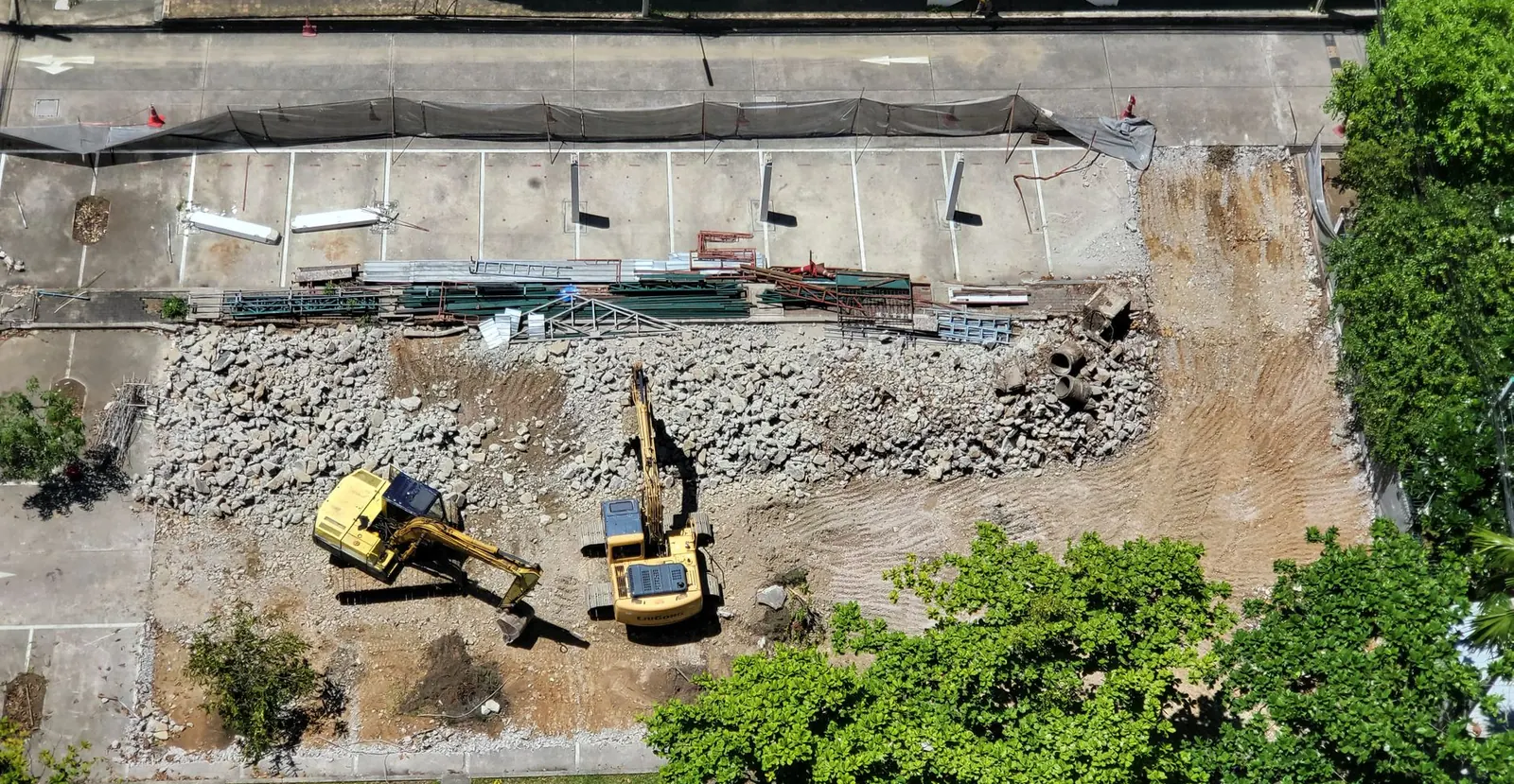
Concrete Removal & Demolition
Sawcutting a clean line, breaking out old driveways, patios, steps, walls and footings, and hauling every piece away.
More on Concrete Removal & Demolition
Concrete is only as good as the dirt under it
Most concrete that fails around Ogden did not fail because of the concrete. It failed because of what was under it or behind it. A footing set on loose fill sinks. A retaining wall with no drain behind it fills with water and tips. A driveway poured on 2 inches of base over wet clay heaves its first winter and breaks apart by its third. Concrete Contractor Ogden covers the jobs where that ground work decides everything: foundations and footings, foundation repair, retaining walls, excavation and site prep, concrete removal and demolition, and full driveway tear-out and replacement.
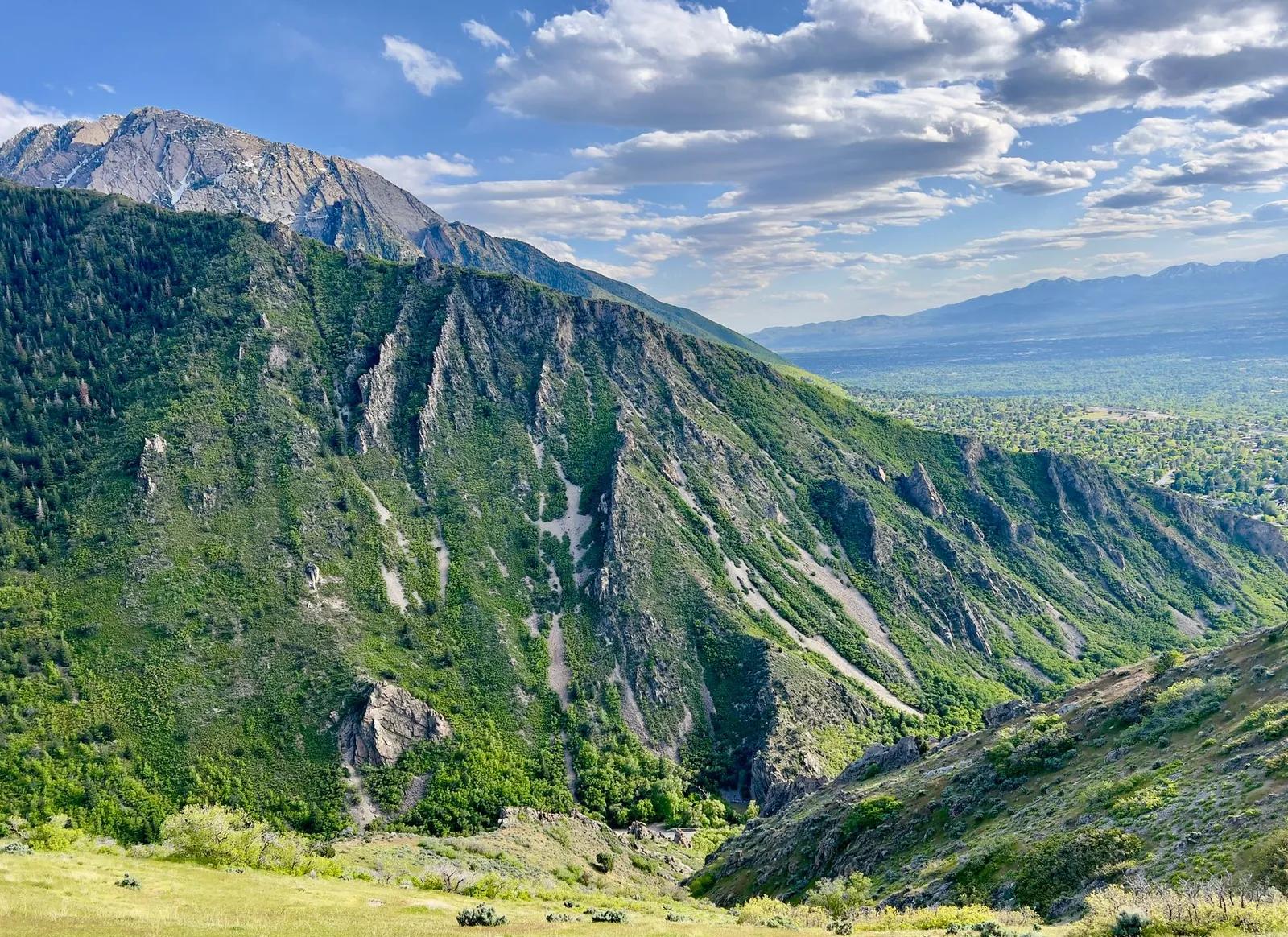
Ogden is hard to generalize about. The city runs from the bench under Malans Peak, down across the Ogden River, out to the flats toward West Haven, and the ground changes the whole way. Bench ground along the Wasatch tends to be sand, gravel and cobble left by old Lake Bonneville shorelines: it drains, but the lots are steep and full of cuts and fill. Lower ground toward the lake tends to be fine silt and clay that holds water and moves with it. Houses in the historic districts east of downtown, like Eccles Avenue, went up long before today's footing and drainage standards.
Heavy concrete work happens in a fixed order, and skipping a step is how jobs go wrong. Utilities get located through 811. Permits and any engineering get settled. Then comes the dig, the base compacted in lifts, the forms, the steel, the inspection, and only after all of that, the pour. One contractor handles the dirt, the removal and the concrete on every job here, residential and commercial. A garage footing, a failing wall or a broken driveway gets planned as one scope instead of three trades blaming each other. Send the address and the job for a free estimate.
Good to know
Four things to check before anyone pours
Ask what goes under it
The base does more work than the mix. Ask how deep the dig goes, what gravel goes back in and how it gets compacted. Fill placed in lifts of about 6 to 8 inches and compacted each time stays put; a full load dumped and driven over does not.
Footings go below frost
On the valley floors of Weber and Davis counties, frost reaches roughly 30 inches down. Huntsville, Eden, Liberty and the Morgan valley sit higher and colder and can call for more, and the building department sets the number. A footing above frost gets jacked up every winter.
Follow the water
Soil around a foundation should fall away from it, and 6 inches of drop in the first 10 feet is the usual standard. A downspout that empties against the wall feeds every crack in it. Fix the water first or the new concrete fails the same way the old concrete did.
Know when to call an engineer
Retaining walls taller than about 4 feet, walls with a driveway or building above them, additions on questionable fill and foundation cracks that keep widening all deserve a stamped design. A design up front costs less than tearing out a failed wall.
How it works
How a job runs, in order
- 1
Call and site look
Send the form or call. The contractor phones back, asks what is being built, repaired or removed, and picks a time to see the ground, the grade and the access.
- 2
Locates, permits, engineering
811 marks buried utility lines before anything gets dug. Building permits, any engineered design and HOA sign-off are settled before a date goes on the calendar.
- 3
Dig, compact, form, steel
Excavation goes down to firm soil, soft spots come out, and base goes back in compacted lifts. Forms are set to grade, rebar goes in on chairs, and the inspector checks it when the permit calls for that.
- 4
Pour, cure, backfill, haul
Concrete is placed, finished and kept curing. Forms come off, the site is backfilled and graded, and broken concrete and spare dirt leave on a truck.
Ideas
Footings, walls, tear-outs and dirt work
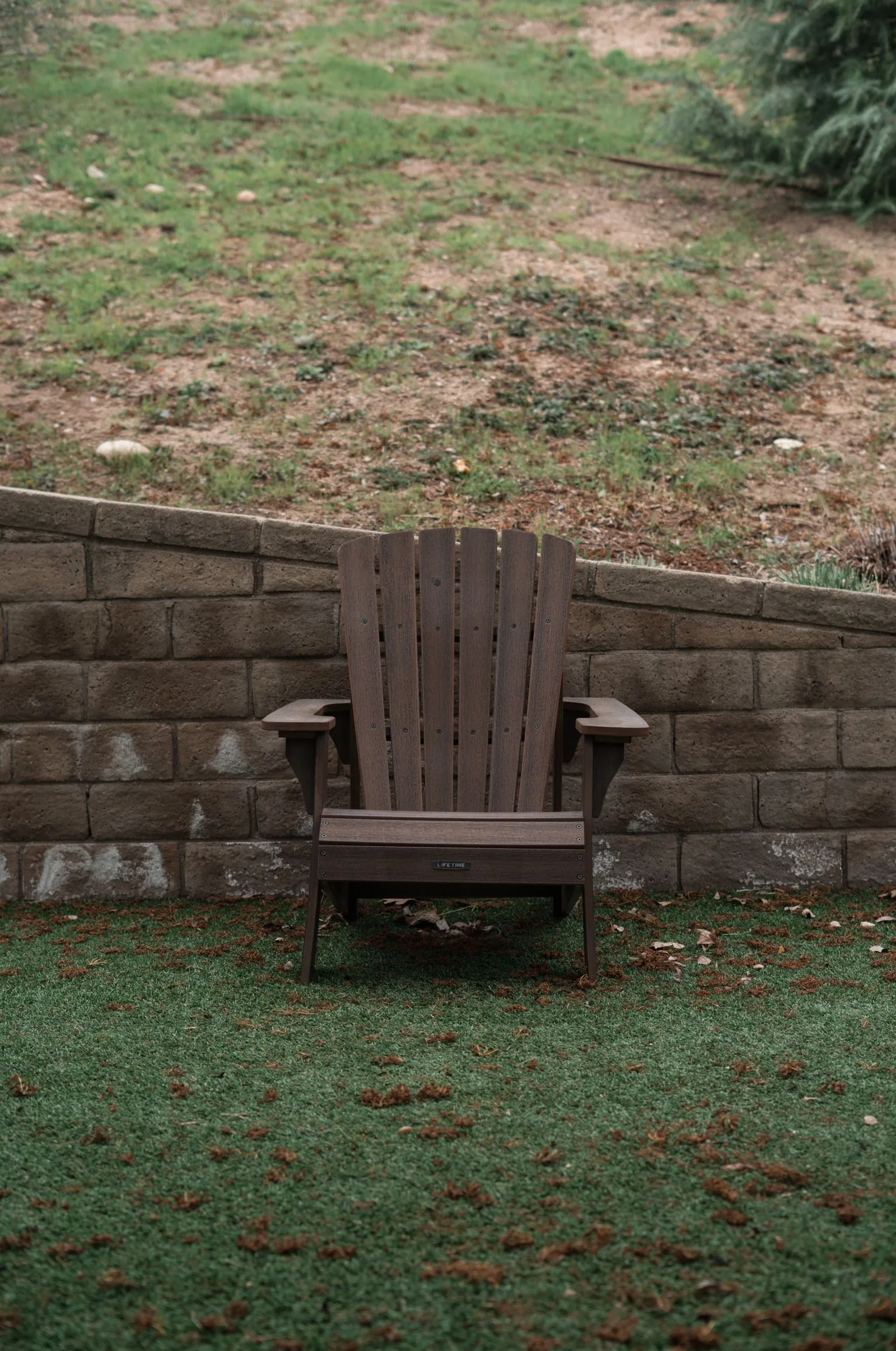

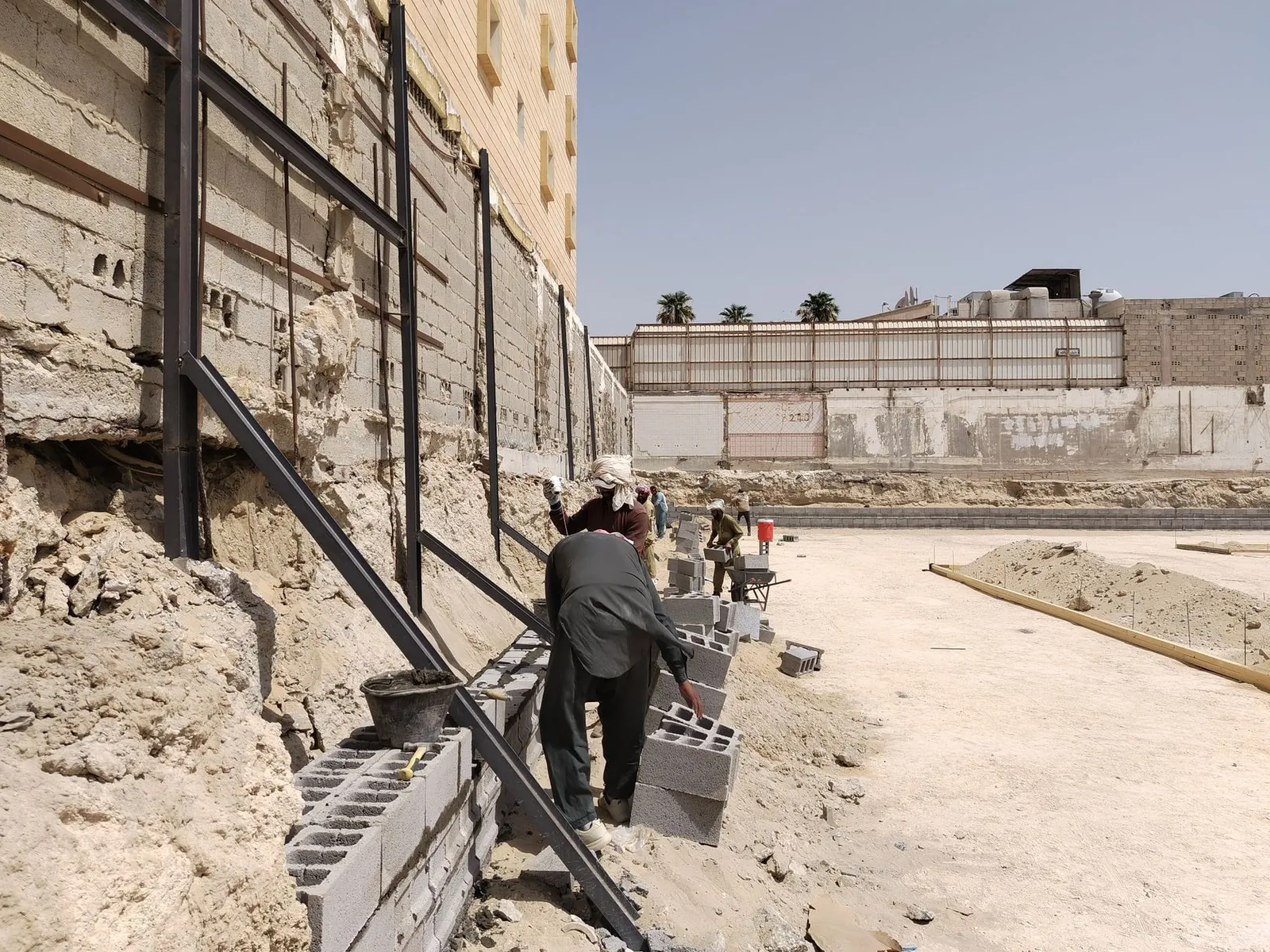
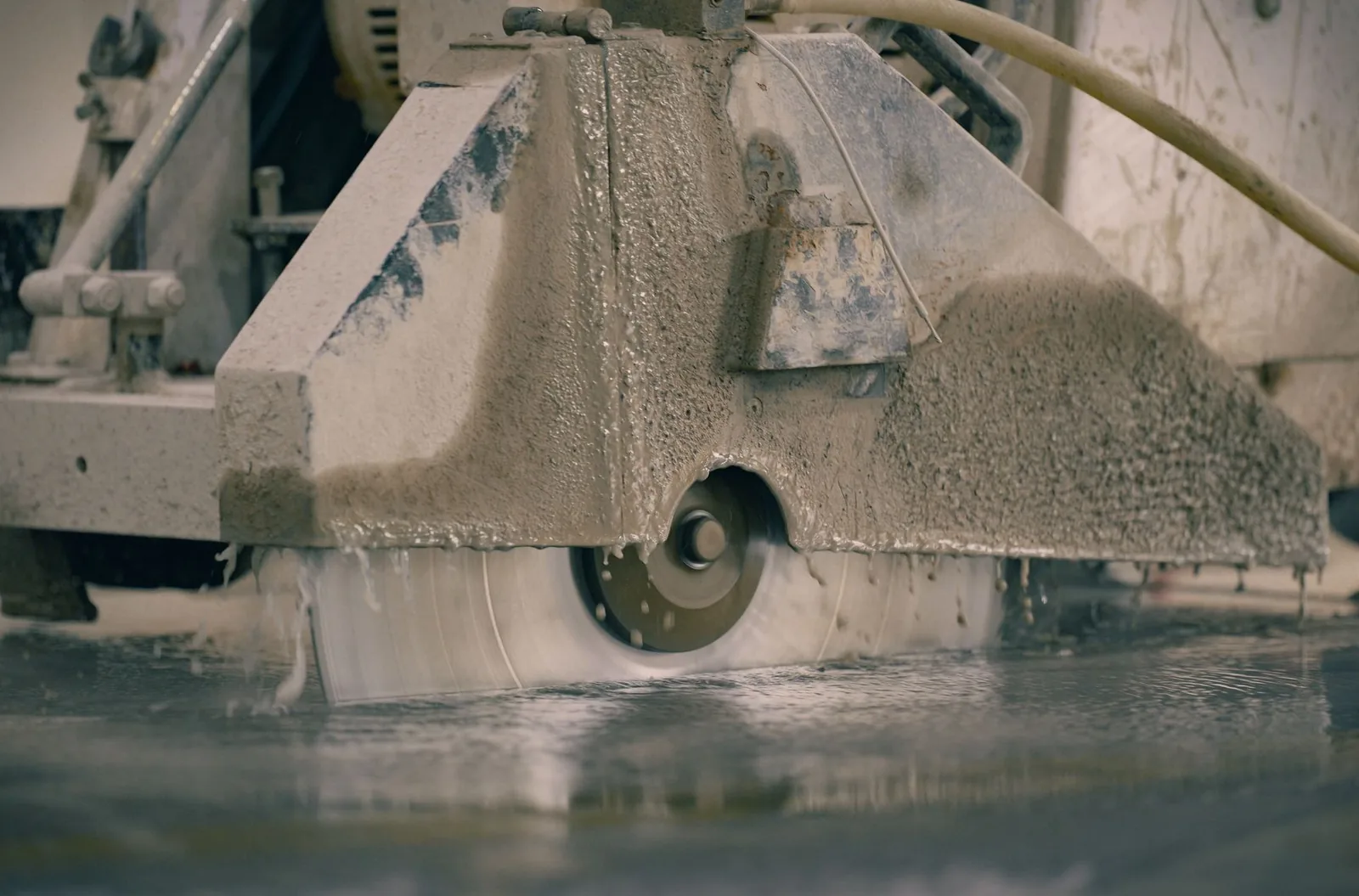
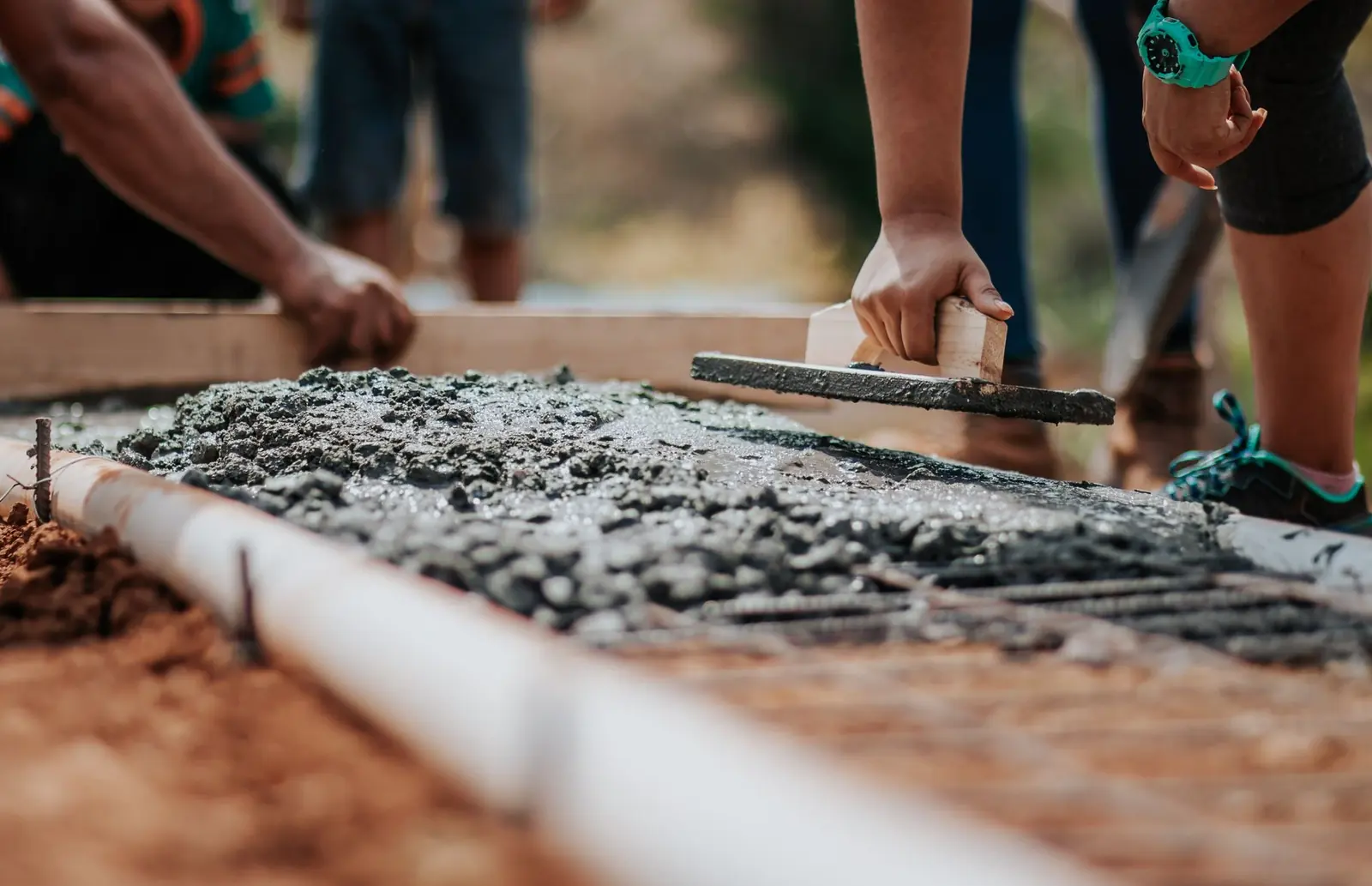
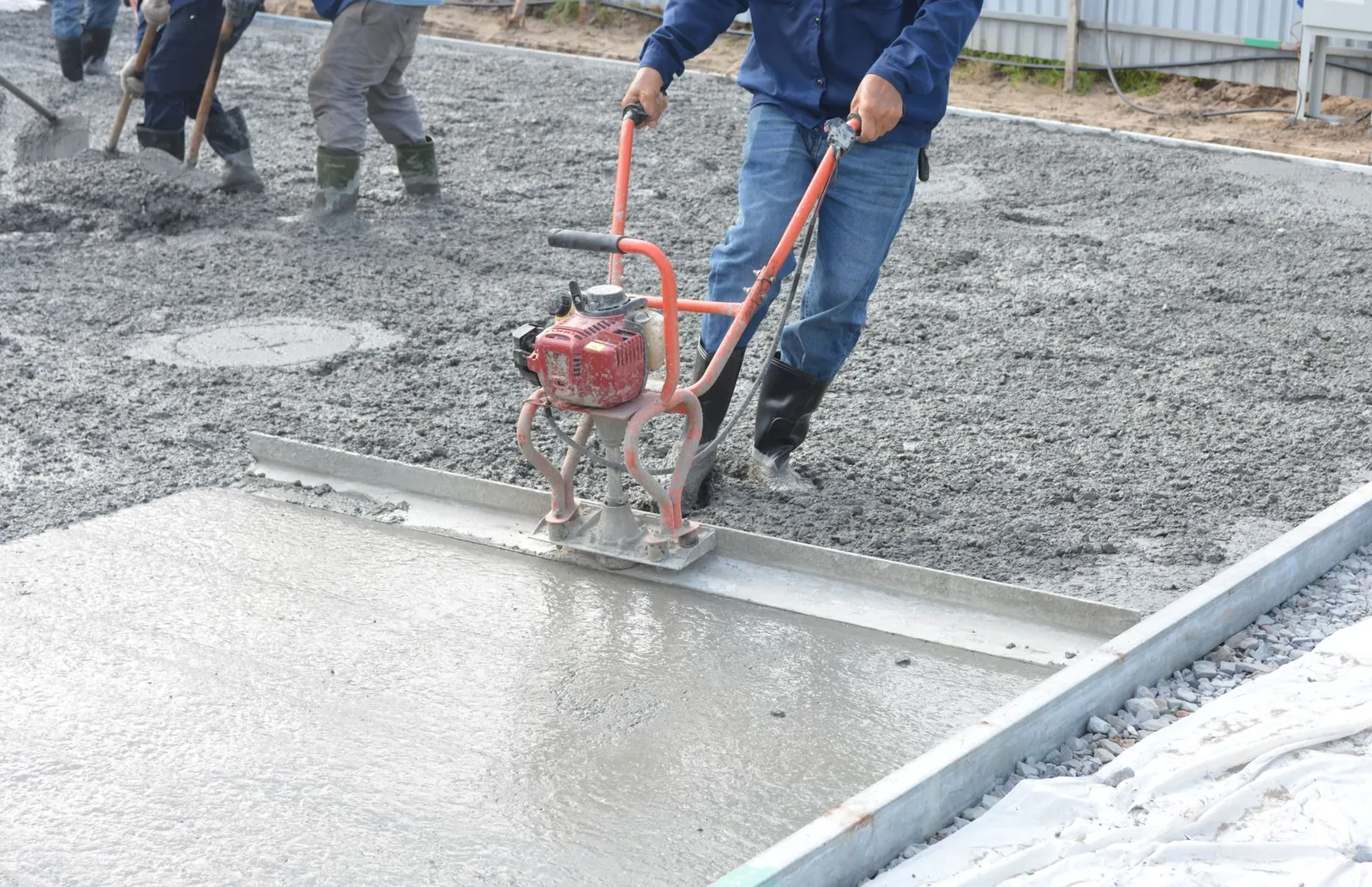
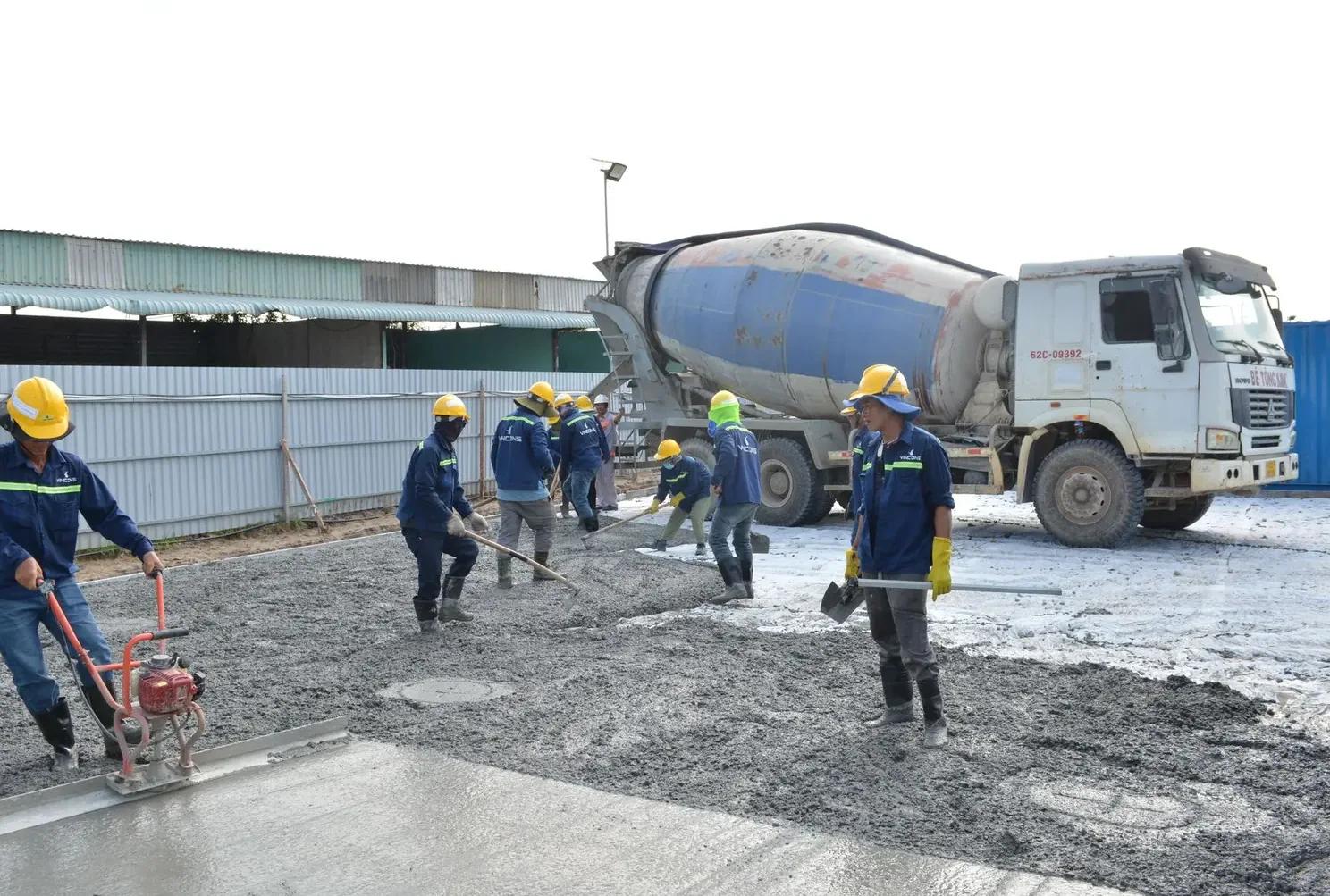
Example photos of this kind of concrete work.
Questions
Heavy concrete questions, answered straight
What do northern Utah winters do to footings, walls and slabs?
They lift and crack anything not built for them. Water in the soil and in the concrete freezes and thaws dozens of nights a winter, so footings go below frost, slabs sit on drained and compacted gravel, and walls get drainage stone and pipe behind them. Driveways also take road salt and brine off car tires, which is why a replacement gets air-entrained concrete and no de-icing salt its first winter.
Do I need a permit, an engineer or an 811 call?
The 811 call, every time: Blue Stakes of Utah marks public utility lines with two business days of notice. New foundations need a building permit, and tall walls or walls carrying a load above them usually need an engineer's design and a permit too. Anything in the public right-of-way, like an approach or curb, goes through the city, and an HOA may want to sign off first.
What does foundation, wall or excavation work cost?
It depends on the ground and the access more than the square footage. Price moves with how deep the dig goes, how much soft soil has to come out, how much steel and concrete the plans call for, whether a pump truck is needed, how many loads get hauled off and whether engineering is required. A site look produces a real estimate; a guess over the phone does not.
Which towns do you cover?
Ogden and the towns around it. In Weber County that means North Ogden, South Ogden, Roy, Riverdale, Washington Terrace, West Haven, Harrisville, Pleasant View, Farr West, Plain City and Hooper, plus Huntsville, Eden and Liberty up Ogden Canyon. The area also takes in Layton, Clearfield, Syracuse, Kaysville, Farmington and Bountiful to the south, Morgan and Mountain Green to the east, and Brigham City, Perry and Willard to the north.
Can foundations and excavation be done in winter?
Yes, with cold-weather practice. Digging, footings, foundation walls and demolition continue through the cold months as long as the subgrade is protected, no concrete goes onto frozen ground, and fresh concrete stays under blankets until it gains strength. Driveways and other flatwork mostly wait for the spring to fall pouring season.
Can one contractor handle the digging, the tear-out and the concrete?
Yes, and on heavy work that is the point. The same contractor breaks out the old concrete, digs, compacts the base, sets forms and steel, and pours. When one party owns both the dirt and the concrete, a sinking slab cannot be blamed on somebody else's base.
Do you take commercial concrete work?
Yes. Commercial jobs include building footings and foundations, retaining walls, site prep, slab and curb removal, and parking areas. Those jobs usually come with engineered plans, a soils report and compaction testing, and the schedule gets built around inspections.
Service area
Ogden and the towns around it
Jobs run from Ogden out through Weber County and into Davis, Morgan and Box Elder counties. Pick a town below for notes on building there.
Weber County
Davis County
Box Elder County
Morgan County
Got a foundation, a wall or a tear-out coming up?
Send the address, the job and a few photos, and the contractor will phone you back to set up a free estimate.